Basalt Quarry Equipment and the Aggregate Industry: A Comprehensive Overview
The global construction boom has driven unprecedented demand for high-quality aggregates, particularly basalt, a dense volcanic rock prized for its durability and versatility. Basalt quarries rely on specialized crushing and screening equipment to produce aggregates for concrete, asphalt, and railway ballast. This article explores key equipment, industry trends, and practical considerations for optimizing basalt processing.
Basalt’s high compressive strength (100–300 MPa) and abrasion resistance make it ideal for infrastructure projects. However, its hardness also poses challenges for crushing. Modern quarry operations prioritize energy-efficient equipment to reduce operational costs while meeting stringent environmental regulations. Key drivers include urbanization, road construction, and sustainable mining practices.
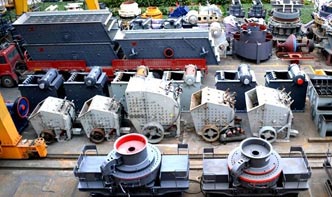
1. Primary Jaw Crushers: Heavy-duty machines like the PE series crush raw basalt into coarse fragments (150–350 mm). Features include hydraulic adjustment and wear-resistant liners.
2. Secondary Cone Crushers: Multi-cylinder models (e.g., HP or HST series) further reduce material to 20–70 mm with interparticle crushing for better particle shape.
3. Tertiary Impact Crushers: Vertical shaft impactors (VSIs) refine output to 0–5 mm sand, critical for manufactured sand (M-Sand) applications.
4. Vibrating Screens: High-frequency screens classify aggregates into precise fractions (e.g., 0–5mm, 5–10mm).
Q: How to minimize dust in basalt crushing?
A: Use wet suppression systems or enclosed crushers with bag filters.
Q: What’s the typical output ratio for basalt?
A: Depending on hardness, 1 ton of raw basalt yields ~0.7 tons of usable aggregate after crushing/screening losses.
Q: Which crusher is best for cubical aggregates?
A: Cone crushers and VSIs produce more cubical particles vs. jaw crushers’ flaky output.
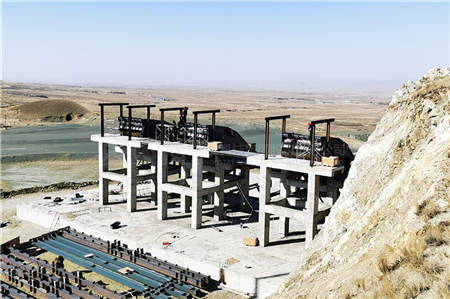
A basalt quarry in Vietnam upgraded to a 500 TPH plant with a three-stage crushing circuit (jaw + cone + VSI). By switching to automated screen decks and predictive maintenance sensors, downtime dropped by 30%, and yield improved by 15%. The sand produced met ASTM C33 standards for concrete mixes.
In conclusion, selecting robust equipment tailored to basalt’s properties ensures profitability while aligning with sustainability goals—a critical balance for modern quarries worldwide.

