Industrial Rock Crushers and Conveyors: Powering the Aggregates Industry
The aggregates industry is a cornerstone of modern infrastructure, providing essential materials like crushed stone, sand, and gravel for construction, roads, and railways. At the heart of this industry are industrial rock crushers and conveyors—machines designed to break down large rocks into smaller, usable aggregates and transport them efficiently.
Rock crushers are engineered to reduce oversized rocks into uniform sizes suitable for various applications. Key types include:
Modern crushers incorporate advanced automation and wear-resistant materials to enhance efficiency and longevity.
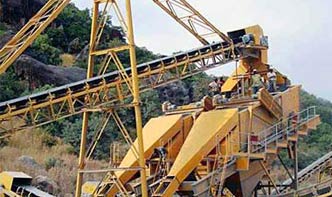
Conveyors complement crushers by transporting raw materials and processed aggregates seamlessly across production lines. Common types include:
Innovations like energy-efficient motors and smart monitoring systems optimize conveyor performance while reducing downtime.
1. What factors determine the choice of a rock crusher?
Consider material hardness, required output size, capacity, and operational costs (e.g., fuel vs. electric).
2. How can conveyor maintenance be minimized?
Regular inspections, proper belt alignment, and using high-quality components reduce wear and tear.
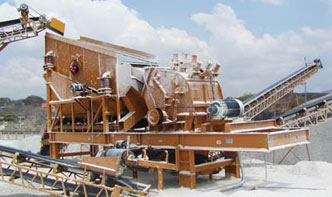
3. s handle recycled materials?
Yes, impact crushers are often used for recycling concrete or asphalt debris.
A quarry in Texas upgraded its aging jaw crusher to a hybrid-electric model, reducing fuel consumption by 30% while maintaining 500-ton/hour output. Paired with automated conveyors, the system cut labor costs by 20% and improved safety by minimizing manual handling.
Industrial rock crushers and conveyors are indispensable in the aggregates sector, driving productivity and sustainability. As technology evolves, smarter designs will continue to shape the future of material processing—delivering stronger infrastructure with fewer environmental impacts.

