Barite Grinding Mill Plant Cost and Its Role in the Aggregate Industry
The mining and aggregate industry relies heavily on efficient grinding and processing equipment to produce high-quality materials for construction, oil drilling, and industrial applications. Barite, a key mineral used as a weighting agent in drilling fluids, demands precise grinding to meet API standards. Understanding the cost factors of a barite grinding mill plant is critical for operators aiming to optimize production while maintaining profitability.
Barite (barium sulfate) is widely used in the oilfield sector due to its high density and chemical inertness. The demand for finely ground barite has grown alongside deep-well drilling activities. Additionally, barite finds applications in paints, plastics, and radiation shielding. A well-designed grinding mill plant ensures consistent particle size distribution (typically 200-325 mesh), which directly impacts product performance.
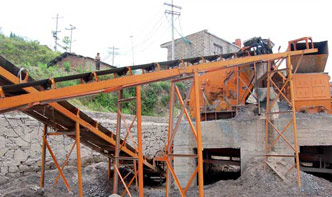
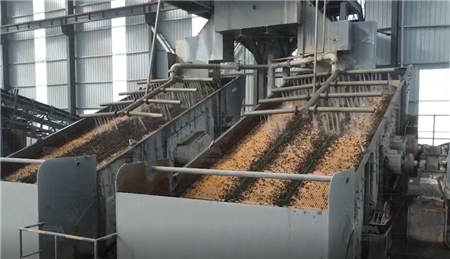
A barite grinding mill plant typically includes:
1. Jaw Crusher – Primary crushing to reduce raw ore size.
2. Raymond Mill/Vertical Roller Mill – Fine grinding with adjustable fineness (80-600 mesh).
3. Classifier – Ensures uniform particle distribution.
4. Dust Collector – Maintains environmental compliance.
Key Cost Drivers:
Q1: What is the typical output capacity of a barite grinding plant?
A: Small-scale plants produce 1-5 tons/hour, while large facilities can exceed 20 tons/hour depending on mill configuration.
Q2: How does moisture content affect grinding efficiency?
A: High moisture increases energy consumption; pre-drying may be necessary for optimal milling performance.
A drilling mud supplier in Texas upgraded from traditional Raymond mills to a modern vertical roller mill system, achieving:
Investing in an efficient barite grinding mill plant involves balancing capital expenditure with operational savings. Advanced milling technology not only cuts costs but also enhances product quality—critical for competitive markets like oilfield services and construction aggregates. Proper equipment selection tailored to ore characteristics ensures long-term profitability in this specialized sector.

