Aerated Autoclaved Concrete (AAC) Production: The Role of Ball Mills in Sand Processing
The砂石骨料(sand and aggregate) industry plays a pivotal role in construction, providing essential raw materials for concrete, asphalt, and masonry. With the growing demand for lightweight and energy-efficient building materials, Aerated Autoclaved Concrete (AAC) has emerged as a sustainable alternative. Central to AAC production is the preparation of finely ground sand, where ball mills serve as critical equipment for achieving the required particle size distribution.
Industry Background
AAC is a precast, -like material composed of quartz sand, cement, lime, gypsum, and aluminum powder. Its porous structure offers superior thermal insulation and fire resistance compared to traditional concrete. However, the quality of AAC heavily depends on the fineness and uniformity of sand particles. Raw sand must be ground to a specific fineness (typically 90% passing 45 microns) to ensure optimal reactivity during autoclaving. This is where ball mills excel.
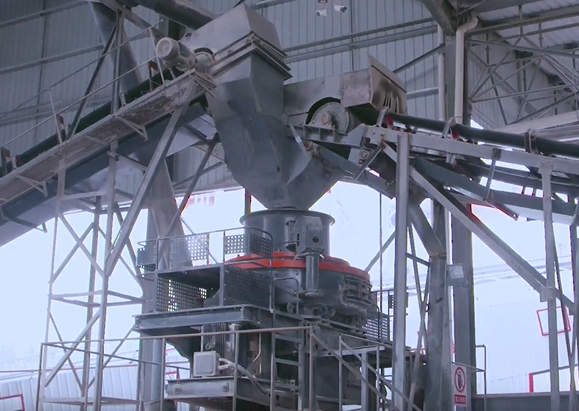
Core Functionality of Ball Mills in AAC Production
Ball mills are grinding machines that use steel balls to pulverize materials into fine powders. In AAC plants:
1. Wet/Dry Grinding: Sand is often processed wet to reduce dust and improve milling efficiency.
2. Closed-Circuit Systems: Classifiers recycle coarse particles back into the mill for consistent output.
3. Material Adaptability: Ball mills handle varying hardness levels of silica sand or fly ash, common AAC ingredients.
Key advantages include high throughput, adjustable fineness, and compatibility with abrasive materials—critical for maintaining AAC’s structural integrity.
Common FAQs
1. Why is sand grinding necessary for AAC?
Fine sand increases surface area, enhancing chemical reactions during autoclaving and improving strength.
2. How does a ball mill compare to vertical roller mills (VRMs)?
Ball mills offer lower upfront costs but higher energy consumption; VRMs are more efficient for large-scale operations.
3. What maintenance does a ball mill require?
Regular lubrication, liner replacement, and monitoring of bearing temperatures are essential to prevent downtime.
Engineering Case Study
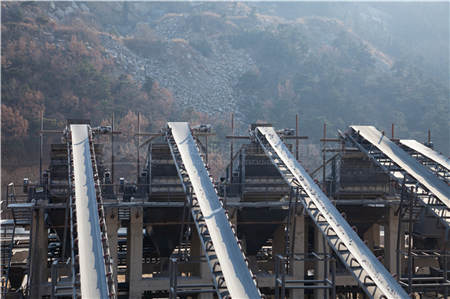
A Southeast Asian AAC plant upgraded its sand processing line with a Φ3×9m ball mill paired with a hydrocyclone classifier. The system achieved a 20% increase in grinding efficiency while reducing energy use by 15%, enabling consistent production of high-quality AAC blocks rated at B05 density class (525 kg/m³).
In conclusion, ball mills remain indispensable in砂石骨料processing for AAC due to their reliability and flexibility—bridging the gap between raw material preparation and advanced construction solutions. Future innovations may focus on hybrid systems integrating AI-driven optimization for further efficiency gains.”

