The Critical Role of Crushing and Sand-Making Equipment in the Aggregate Industry
The global construction boom has fueled unprecedented demand for high-quality sand and aggregates, driving innovations in crushing and sand-making equipment. As urbanization accelerates, the aggregate industry faces mounting pressure to deliver sustainable, efficient solutions while minimizing environmental impact.
Industry Background
Aggregates—crushed stone, sand, and gravel—form the backbone of infrastructure projects, from roads to skyscrapers. With natural sand reserves depleting due to overexploitation, manufactured sand (M-Sand) produced by crushing hard rocks has emerged as a viable alternative. Modern crushing plants integrate advanced technologies like hydraulic adjustment systems, automated controls, and multi-stage screening to optimize particle shape and gradation.
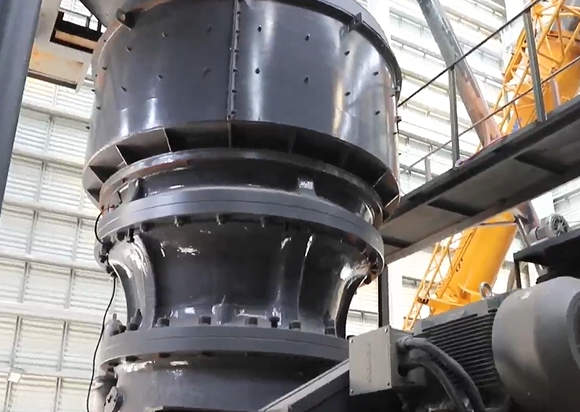
Core Equipment Innovations
1. Jaw Crushers: Primary crushers designed for hard rock fragmentation, featuring high reduction ratios and low maintenance.
2. Cone Crushers: Secondary/Tertiary crushers delivering precise cubical aggregates via interparticle crushing.
3. Vertical Shaft Impactors (VSI): Key for M-Sand production, utilizing “rock-on-rock” or “rock-on-steel” principles to enhance grain shape.
4. Mobile Crushers: Track-mounted units offering flexibility for remote or temporary sites.
FAQ Section
A: M-Sand offers superior consistency in gradation and fewer impurities but requires optimized crushing to prevent excessive fines.
A: Varies by material (e.g., granite vs. limestone) but manganese liners generally last 500–1,000 hours under normal conditions.
Engineering Case Study
A Southeast Asian quarry supplying concrete aggregates replaced its outdated two-stage plant with a three-stage setup (Jaw + Cone + VSI), achieving:
As sustainability regulations tighten, the industry must prioritize energy-efficient designs and circular economy practices—such as recycling demolition waste into new aggregates—to meet future challenges head-on.

