Corundum Ceramic vs. Natural Stone in Aggregate Production
The aggregate industry relies heavily on durable materials for crushing and sand-making equipment, where wear resistance directly impacts operational efficiency and costs. Two prominent options are corundum ceramics and natural stone (e.g., granite, basalt). Below, we compare their roles in aggregate processing.
Aggregate production demands materials that withstand high abrasion, impact, and compression. Traditional natural stones like granite have been widely used due to their hardness (~6-7 Mohs) and availability. However, advanced engineered materials like corundum ceramics (Al₂O₃)—with hardness up to 9 Mohs—are gaining traction for critical wear parts (e.g., liners, blow bars).
1. Wear Resistance:
– Corundum ceramics outperform natural stone in abrasive environments, reducing replacement frequency by 3–5x.
– Natural stone wears unevenly, requiring more downtime for maintenance.
2. Cost Efficiency:
– While corundum components have higher upfront costs, their longevity lowers total cost of ownership (TCO).
– Natural stone is cheaper initially but incurs higher long-term expenses due to frequent replacements.
3. Application Suitability:
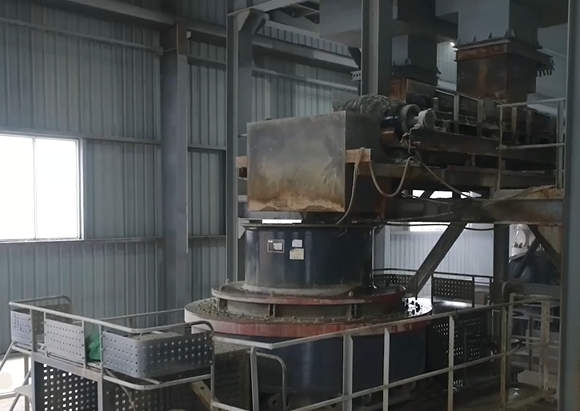
– Corundum excels in high-speed crushing (e.g., VSI crushers) and fine sand production.
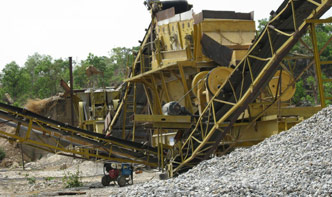
– Natural stone remains viable for primary/jaw crushing where impact loads are moderate.
4. Environmental Impact:
– Corundum’s durability reduces waste generation compared to natural stone alternatives.
Q: Can corundum ceramics replace natural stone entirely?
A: Not always. While superior for wear parts, natural stone is still cost-effective for bulk processing stages like primary crushing.
Q: How does corundum affect sand particle shape?
A: Its precision wear surfaces produce more cubical particles vs. natural stone’s irregular fragmentation—critical for high-grade concrete sand.
A Brazilian quarry switched from granite liners to corundum in its VSI crusher, achieving:
Corundum ceramics offer a compelling upgrade for high-abrasion applications but must be evaluated against project-specific economics. Natural stone retains its niche in less intensive stages, highlighting the importance of material selection tailored to each crushing phase

