Hammer Mills in Aggregate Processing: Direction of Spin and Operational Insights
The aggregate and sand production industry relies heavily on efficient size-reduction equipment, with hammer mills playing a pivotal role in processing raw materials like limestone, granite, and recycled concrete. Understanding the direction of spin in hammer mills is critical for optimizing performance, wear resistance, and product gradation.
Global demand for high-quality aggregates continues to rise, driven by infrastructure projects and urbanization. Hammer mills are favored for their versatility in secondary crushing applications, producing cubical-shaped particles ideal for concrete and asphalt mixes. Unlike jaw or cone crushers, hammer mills utilize high-speed rotors with swinging hammers to fracture material through impact.
The rotor’s spin direction (clockwise or counterclockwise) influences:
1. Wear Patterns: Reversible hammers allow rotation in both directions to evenly distribute wear, extending service life.
2. Feed Orientation: Correct spin ensures material enters the crushing chamber optimally, reducing blockages and improving throughput.
3. Maintenance Access: Some designs orient spin to facilitate easier hammer replacement or liner inspections.
Most manufacturers preset rotation during installation based on drive motor configuration and hammer arrangement. Always consult the manual before attempting adjustments.
Pro Tip: Pairing the correct spin direction with screen size and feed rate minimizes recirculation and power consumption.
Q: Can I reverse the spin direction post-installation?
A: Only if the mill is designed for bidirectional operation (e.g., reversible hammers). Otherwise, it may cause imbalance or premature failure.
Q: How does spin affect fines production?
A: Faster rotor speeds (typically 1,500–3,000 RPM) generate more fines but may require airflow adjustments to prevent overheating.
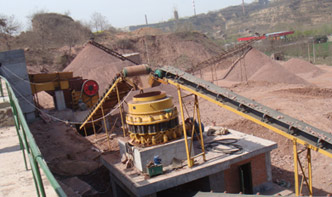
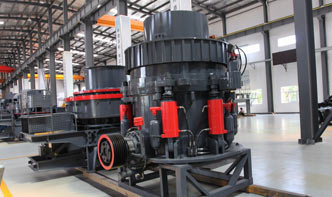
A quarry in Texas upgraded to a bidirectional hammer mill for processing recycled asphalt pavement (RAP). By alternating spin every 200 hours, they achieved a 30% reduction in hammer replacement costs while maintaining consistent 0–5mm output for reuse in new asphalt mixes.
The direction of spin in hammer mills is a nuanced yet vital factor in aggregate processing operations. Proper alignment with maintenance practices and feed systems ensures longevity and product quality—key to staying competitive in the evolving construction materials sector.

