Hydraulic Systems in Cone Crushers: Enhancing Efficiency in Aggregate Production
The aggregate and sand production industry is a cornerstone of modern construction, providing essential materials for infrastructure, buildings, and roads. Cone crushers play a pivotal role in this sector, offering high-capacity crushing with precision. A critical component of these machines is the hydraulic system, which ensures operational reliability, safety, and adaptability to varying material conditions.
Hydraulic systems in cone crushers serve three primary functions:
1. Overload Protection: Hydraulic cylinders adjust the crusher’s setting to prevent damage from uncrushable materials (e.g., tramp iron). The system automatically releases pressure and resets after clearing the obstruction.
2. Adjustment of CSS (Closed Side Setting): Operators can fine-tune the crusher’s output size hydraulically, ensuring consistent product gradation without manual intervention.
3. Clearing Blockages: The “tramp release” feature uses hydraulic power to lift the crushing mantle, allowing foreign objects to pass through safely.
Q1: How often should hydraulic fluid be replaced?
A: Typically every 2,000–3,000 operating hours, but frequency depends on contamination levels and operating conditions.
Q2: What causes hydraulic overheating?
A: Common causes include low fluid levels, clogged filters, or excessive ambient temperatures. Regular maintenance is key to prevention.
Q3: Can hydraulic systems handle abrasive environments?
A: Yes, but using high-quality seals and filtration systems is critical to prolong component life in dusty or wet conditions.
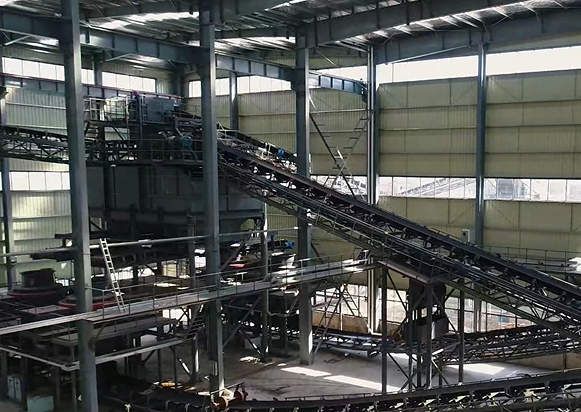
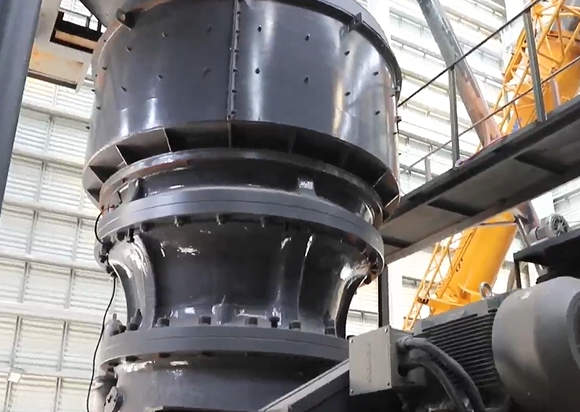
A quarry in Texas upgraded its aging cone crusher with an advanced hydraulic system featuring remote monitoring capabilities. The result was a 15% increase in production efficiency and a 30% reduction in unplanned downtime due to automated tramp iron protection and CSS adjustments.
Hydraulic systems are indispensable for modern cone crushers, delivering flexibility, durability, and automation benefits that align with the demands of today’s aggregate industry. Investing in robust hydraulics translates to higher productivity and lower lifecycle costs—a competitive edge for producers worldwide.

