The Growing Importance of Cement Grinding Machines in the Aggregate Industry
The global construction boom has fueled unprecedented demand for high-quality sand, gravel, and crushed stone—collectively known as aggregates. As urbanization accelerates and infrastructure projects expand, the role of efficient grinding and crushing equipment becomes critical. Among these, cement grinding machines stand out for their ability to refine raw materials into finely processed cement, a cornerstone of modern construction.
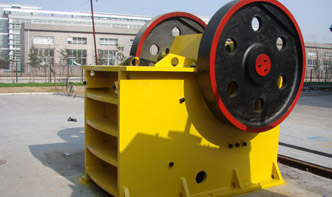
Aggregates form the backbone of concrete, asphalt, and road bases. With stricter environmental regulations and rising quality standards, manufacturers are under pressure to optimize production while minimizing waste and energy consumption. Cement grinding machines play a pivotal role here by ensuring uniform particle size distribution, enhancing strength, and reducing clinker usage—key factors in sustainable construction practices.
Modern grinding equipment leverages advanced technologies to maximize efficiency:
Automation is another game-changer. Smart sensors and IoT-enabled systems monitor wear rates, vibration levels, and throughput in real time, enabling predictive maintenance and uninterrupted operations.
1. What’s the typical lifespan of grinding rollers?
Depending on material abrasiveness, rollers last 6,000–8,000 hours; hardened alloys or ceramic inserts can extend this further.
2. How does moisture affect grinding efficiency?
High moisture causes clogging; pre-drying or hot gas injection is often necessary for optimal performance.
3. Can these machines handle recycled aggregates?
Yes—modern grinders process demolition waste into reusable cementitious materials, supporting circular economy goals.
A Southeast Asian cement producer upgraded its aging ball mills with VRMs from a leading manufacturer. The result: a 40% drop in energy costs and a 15% increase in output fineness (measured at 4,500 Blaine). Dust emissions also fell below regulatory thresholds thanks to integrated bag filters—showcasing how technology can align profitability with sustainability.
The industry is shifting toward renewable energy-powered grinding units and AI-driven process optimization. As zero-carbon cement gains traction, grinding machines will evolve to handle alternative raw materials like calcined clay or industrial byproducts seamlessly.
For manufacturers investing in aggregates processing today, prioritizing cutting-edge grinding technology isn’t just an option—it’s essential for staying competitive in an increasingly resource-conscious world.

