The Growing Importance of Crushing and Sand-Making Equipment in the Aggregate Industry
Industry Background
The global construction boom has fueled unprecedented demand for high-quality sand and gravel aggregates. As natural sand reserves deplete due to environmental regulations and over-exploitation, manufactured sand (M-Sand) produced by crushing and sand-making equipment has emerged as a sustainable alternative. The aggregate industry, valued at billions annually, relies heavily on advanced crushing machinery to meet specifications for concrete, asphalt, and infrastructure projects.
Core Equipment and Technologies
Modern crushing and sand-making systems prioritize efficiency, particle shape, and gradation control. Key equipment includes:
1. Jaw Crushers: Primary crushing for hard rocks like granite and basalt.
2. Cone Crushers: Secondary/Tertiary crushing to achieve finer output with low wear costs.
3. Impact Crushers: Ideal for softer materials (limestone, recycled concrete), producing well-shaped aggregates.
4. Vertical Shaft Impactors (VSI): Critical for M-Sand production, optimizing particle roundness and reducing voids in concrete mixes.
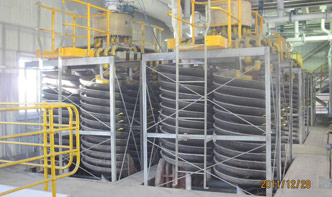
Innovations like hydraulic adjustment, automated control systems, and hybrid power options enhance productivity while reducing downtime.
Key Considerations for Investors
FAQ Section
1. Why choose M-Sand over natural sand?
M-Sand offers consistent gradation, higher strength (due to angular particles), and eliminates silt/clay impurities common in river sand.
2. How to mitigate wear in crushers?
Use tungsten carbide liners, regular maintenance schedules, and optimize feed distribution to avoid uneven wear.
3. What’s the ROI for a 200tph crushing plant?
Typically 18–36 months, depending on local demand and operational efficiency (fuel, labor costs).
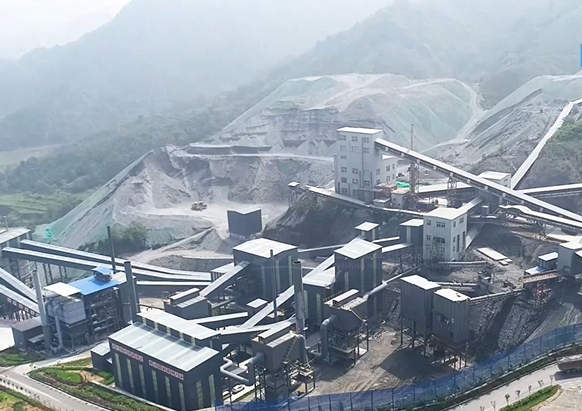
Project Case: Quarry Expansion in Texas
A limestone quarry upgraded to a 300tph VSI-based circuit, achieving:
Conclusion
Investing in the right crushing technology is pivotal for competitiveness in the aggregate sector—balancing capex with long-term operational gains while meeting evolving sustainability standards remains the cornerstone of success.

