The Role of Crushing and Sand-Making Equipment in the Aggregate Industry
The global demand for high-quality sand and gravel aggregates continues to rise, driven by infrastructure development, urbanization, and construction projects. In this context, crushing and sand-making equipment plays a pivotal role in transforming raw materials like limestone, granite, and basalt into usable aggregates for concrete, asphalt, and road bases.
Aggregates are essential components in construction, accounting for over 70% of concrete volume. With natural sand resources depleting due to environmental regulations, manufactured sand (M-Sand) produced by crushing machines has become a sustainable alternative. The industry prioritizes efficiency, particle shape optimization, and low operational costs—key factors addressed by modern crushing technology.
1. Jaw Crushers: Ideal for primary crushing, reducing large rocks into smaller fragments (<150mm). Suitable for hard materials like granite.
2. Cone Crushers: Secondary or tertiary crushers delivering finely crushed aggregates with improved cubical shape.
3. Vertical Shaft Impactors (VSI): Critical for producing high-quality M-Sand with optimal gradation and minimal flakiness.
4. Mobile Crushing Plants: Flexible solutions for on-site processing, reducing transportation costs.
Q1: What’s the difference between natural sand and M-Sand?
A: M-Sand offers better consistency, fewer impurities, and enhanced bonding with cement due to angular particle shapes.
Q2: How to reduce dust pollution in crushing plants?
A: Use water spray systems, enclosed conveyors, and bag filters alongside dry fog suppression technologies.
Q3: Which crusher is best for soft limestone?
A: A hammer crusher or impact crusher is preferable due to lower wear rates compared to cone crushers.
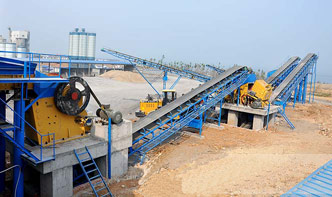
A quarry in Texas upgraded to a VSI-based sand-making plant, increasing M-Sand yield by 30% while meeting ASTM C33 standards for concrete production. The system’s adjustable rotor speed allowed precise control over particle size distribution.
Investing in the right crushing and sand-making equipment ensures long-term profitability while addressing sustainability challenges in the aggregate sector—balancing performance with environmental responsibility remains paramount moving forward.”

