The Growing Demand for Crushing and Sand-Making Equipment in India’s Aggregate Industry
India’s construction and infrastructure sectors are expanding rapidly, driving the demand for high-quality sand and aggregates. With natural sand reserves depleting due to environmental concerns, manufactured sand (M-Sand) has emerged as a sustainable alternative. This shift has increased the need for efficient crushing and sand-making equipment to produce well-graded aggregates for concrete, roads, and other applications.
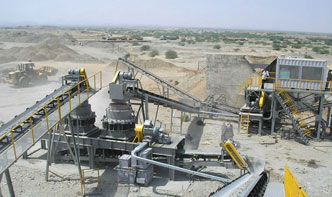
The Indian government’s focus on infrastructure projects like highways, smart cities, and affordable housing has intensified the demand for crushed stone and M-Sand. Traditional methods of mining river sand are being replaced by mechanized crushing plants that process hard rocks (granite, basalt) or low-phosphorus coal mine overburden into fine aggregates. This transition supports environmental sustainability while meeting quality standards (IS 383).
1. Jaw Crushers – Primary crushing of large rocks into smaller fragments.
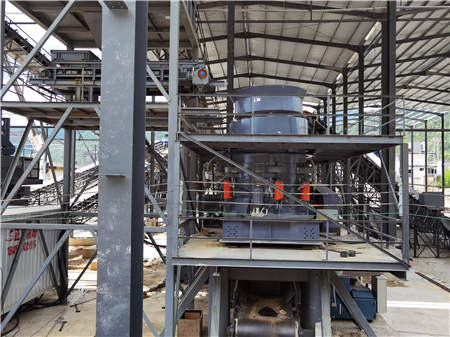
2. Cone Crushers – Secondary crushing to achieve finer particle sizes.
3. Vertical Shaft Impactors (VSI) – Critical for producing cubical-shaped M-Sand with optimal gradation.
4. Screens & Feeders – Ensure proper sizing and material flow in the production line.
Modern plants emphasize automation, energy efficiency, and low maintenance to enhance productivity while reducing operational costs.
A: M-Sand offers better control over particle shape, gradation, and eliminates impurities like silt or clay.
A: A combination of jaw + cone crushers is ideal for hard rocks; VSI crushers refine the final product further.
A: Yes, low-phosphorus overburden can be processed into aggregates if it meets strength and durability criteria after testing.
A project in Chhattisgarh utilized VSI crushers to process coal mine rejects into construction-grade sand after washing and screening tests confirmed compliance with IS standards—demonstrating how waste can be converted into valuable resources while reducing landfill burdens.
As India pushes toward greener construction practices, investing in advanced crushing technology will remain pivotal for meeting infrastructure demands sustainably.

