The Evolution of Iron Mining Equipment and Its Impact on the Aggregate Industry
The iron mining industry has long been a cornerstone of global infrastructure development, providing raw materials for construction, manufacturing, and transportation. Historically, iron mining equipment was rudimentary, relying on manual labor and basic tools like pickaxes and shovels. However, the Industrial Revolution marked a turning point with the introduction of steam-powered crushers and mechanical drills, enabling higher productivity and deeper excavation.
Key Equipment in Historical Iron Mining
1. Jaw Crushers: Early versions were mechanically driven, crushing ore into manageable sizes for further processing.
2. Stamp Mills: Used in the 19th century to pulverize iron ore via heavy iron stamps.
3. Ball Mills: Introduced later for finer grinding, improving ore beneficiation.
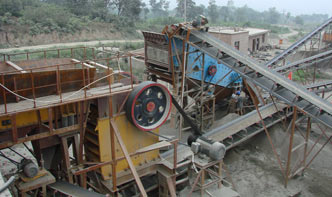
These innovations laid the groundwork for modern aggregate processing equipment, such as cone crushers and vertical shaft impactors (VSIs), which are now critical in producing high-quality sand and gravel for construction.
Link to the Aggregate Industry
The principles developed in iron mining—crushing, screening, and grading—directly influenced sand and aggregate production. Today’s advanced rock crushers and sand-making machines owe their efficiency to these early mining technologies. For instance:
FAQs
Q: How did iron mining equipment improve aggregate production?
A: Early crushing mechanisms inspired durable, high-capacity machines for processing granite, limestone, and other aggregates.
Q: What modern equipment traces its roots to iron mining?
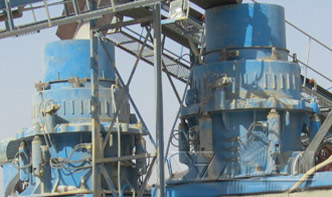
A: Gyratory crushers and grinding mills were first designed for ore processing before being optimized for aggregates.
Engineering Case Study
In the early 1900s, a Michigan iron mine pioneered conveyor systems to transport crushed ore. This innovation was later adopted by aggregate plants to streamline material handling, reducing labor costs and increasing output—a practice now standard in quarries worldwide.
The legacy of iron mining endures in today’s aggregate sector, where reliability and efficiency remain paramount. By studying historical advancements, manufacturers continue refining equipment to meet the demands of sustainable construction and infrastructure growth.

