Artificial Sand Making in Karnataka: A Comprehensive Overview
Karnataka, a rapidly developing state in India, faces growing demand for construction-grade sand due to urbanization and infrastructure projects. With restrictions on river sand mining to protect ecosystems, artificial sand (M-Sand) has emerged as a sustainable alternative. Manufactured using advanced crushing and screening technology, M-Sand offers superior quality, consistency, and eco-friendliness compared to natural sand.
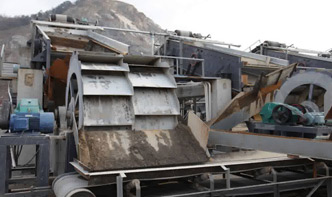
The production of high-quality M-Sand relies on robust crushing machinery, typically including:
Modern plants in Karnataka often integrate automation for efficiency, reducing operational costs while maintaining output of 100–200 TPH (tons per hour).
1. Consistency: Uniform particle size enhances concrete strength.
2. Eco-Friendly: Reduces illegal riverbed mining and associated environmental damage.
3. Cost-Effective: Lower transportation costs due to local production.
1. Is M-Sand suitable for all construction purposes?
Yes, when processed correctly, it complies with concrete, plastering, and brickwork requirements.
2. How does M-Sand compare to river sand?
It has better control over impurities (e.g., silt) and higher compressive strength in concrete mixes.
3. What are the key challenges in artificial sand production?
Balancing fines content (<150 microns) and optimizing crusher settings for desired gradation.
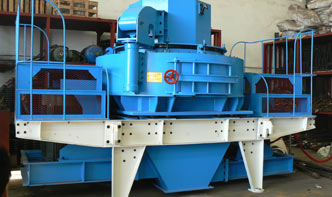
A Bengaluru-based unit adopted a 3-stage VSI crusher setup with integrated air classification, achieving 20% higher yield than traditional methods while reducing power consumption by 15%. The plant now supplies 120 TPH of Zone-II graded sand to metro rail projects.
With Karnataka’s construction sector expanding, artificial sand production presents a viable solution to material shortages while aligning with sustainability goals. Investing in advanced crushing technology ensures quality output and long-term economic benefits for stakeholders.

