DIY Mini Gold Wash Plant with Magnetic Separation: A Compact Solution for Small-Scale Mining
The sand and gravel aggregate industry plays a vital role in construction, infrastructure, and mining sectors. With the growing demand for efficient material processing, small-scale operators often seek cost-effective solutions like DIY mini gold wash plants. These compact systems, enhanced with magnetic separation, offer a practical way to recover gold and other heavy minerals from alluvial deposits.
Global urbanization drives the need for sand, gravel, and crushed stone, making aggregate processing equipment indispensable. Traditional large-scale wash plants are expensive and impractical for artisanal miners or small operations. A DIY mini wash plant addresses this gap by combining simplicity, portability, and affordability—ideal for processing limited material volumes.
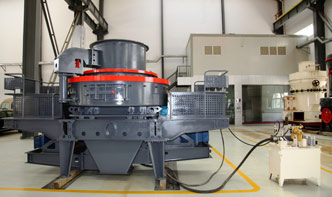
1. Trommel or Sluice Box: A rotating trommel screen classifies material, while a sluice box with riffles captures gold particles via gravity separation.
2. Magnetic Separation: Integrated magnets (e.g., rare-earth or ferrite) remove iron-bearing contaminants, improving gold recovery purity.
3. Water Circulation: A small pump recirculates water to minimize waste and comply with environmental regulations.
4. Modularity: Lightweight materials (PVC, steel mesh) allow easy assembly/disassembly for remote site mobility.
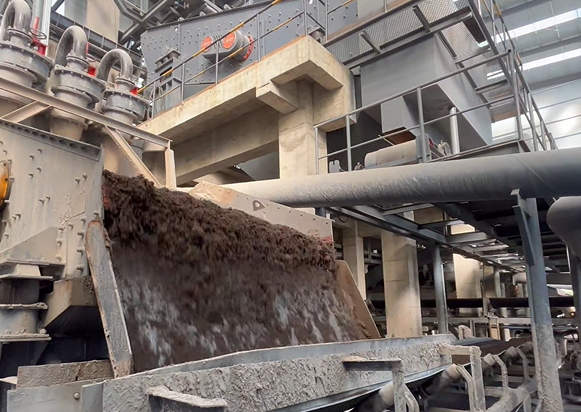
A: Basic tools, a drum/sluice, magnets, water pump, and mesh screens (e.g., 1/4″ for classification).
A: It removes ~90% of magnetic waste (e.g., magnetite), reducing manual sorting time.
A: No—this design is optimized for loose alluvial material; crushing requires additional equipment.
A cooperative in La Rinconada adapted a DIY wash plant with neodymium magnets to process 0.5–1 ton/hour of placer gravels. The system improved gold recovery by 15% by eliminating iron interference and reduced water usage by recirculation.
For small-scale operators, a DIY mini wash plant with magnetic separation balances efficiency and affordability. While not replacing industrial systems, it democratizes access to basic mineral processing—key in regions lacking large-scale infrastructure. Future innovations may integrate solar power or automated controls for broader adoption.
(Note: Always check local regulations on water use and mineral rights before deployment.)

