The Essential Role of Mining Feed Hoppers in Gravel Production
The gravel and aggregate industry is a cornerstone of modern construction, providing the raw materials for infrastructure, roads, and concrete. At the heart of this process lies the mining feed hopper, a critical component in ensuring efficient material handling and processing.
Gravel production begins with extraction from quarries or riverbeds, where raw material is loaded into feed hoppers. These hoppers serve as the first point of contact in the crushing and screening circuit, regulating the flow of material to downstream equipment like jaw crushers, cone crushers, or vibrating screens. Consistent feed rates are vital to maximize productivity and minimize downtime.
1. Material Regulation – Hoppers control the discharge rate, preventing overloads that can damage crushers or cause bottlenecks.
2. Pre-Screening – Some hoppers include grizzly bars to remove oversized rocks or debris before crushing.
3. Dust Suppression – Enclosed designs reduce airborne particles, improving safety and environmental compliance.
4. Durability – Constructed from abrasion-resistant steel, hoppers withstand heavy impacts from large rocks and harsh mining conditions.
Q: What capacity should a feed hopper have for gravel processing?
A: Capacity depends on production demands; typically, 20–50 tons per hour for small operations, up to 500+ tons for large-scale plants.
Q: How to prevent material bridging in hoppers?
A: Proper slope angles (≥45°), vibrators, or air cannons help maintain material flow and prevent blockages.
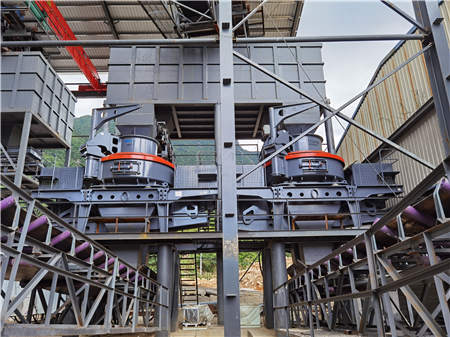
Q: Are customizable hoppers available?
A: Yes, manufacturers offer tailored solutions for specific materials (e.g., wet or sticky aggregates) and site constraints.
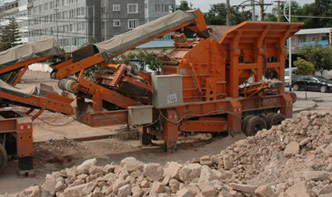
A quarry in Texas upgraded its aging hopper system with a high-capacity model featuring adjustable grizzly bars and automated vibration controls. This reduced jamming incidents by 30% and increased throughput by 15%, demonstrating the ROI of optimized feed systems.
Mining feed hoppers are more than just storage units—they are engineered solutions that enhance efficiency and longevity in gravel production. Investing in the right design ensures smoother operations and higher profitability for aggregate producers worldwide.

