The Evolution of Crushing and Grinding Equipment in the Aggregate Industry
The global demand for high-quality sand and gravel aggregates continues to rise, driven by infrastructure development, urbanization, and construction projects. Central to this industry are crushing and grinding equipment, such as ball mills, jaw crushers, and cone crushers, which transform raw materials into usable aggregates. Among these, ball mills play a critical role in grinding ores and other hard materials into fine powders, ensuring optimal particle size distribution for downstream processes.
Aggregates are essential for concrete production, road bases, and railway ballast. With stricter environmental regulations and the need for energy-efficient solutions, manufacturers are innovating to produce durable, low-maintenance equipment. Leading suppliers focus on automation, wear resistance, and customizable designs to meet diverse operational needs.
1. Ball Mills: Used primarily in mining and cement industries, these machines grind materials via rotating cylinders filled with steel balls. Key manufacturers optimize liner design and drive systems to reduce energy consumption.
2. Jaw Crushers: Ideal for primary crushing, they handle large rocks with high compression strength. Modern designs feature hydraulic adjustment for quick gap changes.
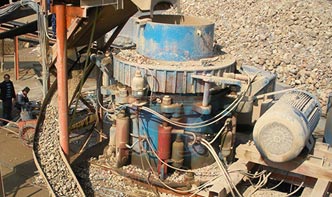
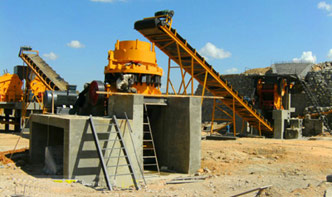
3. Cone Crushers: Suited for secondary/tertiary crushing, they deliver finer output with lower operational costs compared to impact crushers.
Ball mills suit finer grinding but consume more energy; vertical roller mills offer higher efficiency for coarse grinding.
Use high-quality manganese steel liners and implement regular maintenance schedules.
With proper upkeep, 15–20 years, depending on material abrasiveness and operational intensity.
A quarry in Australia upgraded its aging jaw crusher to a hybrid electric model, reducing fuel costs by 30% while maintaining throughput. Another project in Canada utilized a multi-stage crushing circuit with cone crushers to produce precisely graded aggregates for highway construction.
As technology advances, manufacturers must balance performance, sustainability, and cost-effectiveness to stay competitive in the evolving aggregate sector.

