Grinding Machines in Ayurvedic Medicine Production: A Comprehensive Overview
The Ayurvedic medicine industry relies heavily on the processing of natural herbs, roots, and minerals into fine powders or pastes. Grinding machines play a pivotal role in ensuring the consistency, purity, and efficacy of these formulations. Unlike conventional pharmaceutical manufacturing, Ayurvedic preparations demand specialized equipment that preserves the medicinal properties of raw materials while achieving precise particle sizes.
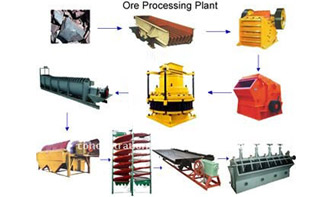
1. Hammer Mills: Ideal for coarse grinding of dried herbs and barks, hammer mills offer high throughput with adjustable fineness. Their robust design suits large-scale production.
2. Pulverizers: For ultra-fine powders (60–300 mesh), pulverizers with dynamic classifiers ensure uniform particle distribution, critical for bioavailability in Ayurvedic remedies.
3. Ball Mills: Used for wet grinding of herbal pastes or oils, ball mills provide gentle milling to prevent heat-sensitive compound degradation.
4. Cryogenic Grinders: Essential for brittle materials like resins or gums, these machines use liquid nitrogen to prevent thermal damage during pulverization.
Key features to prioritize:
Q1: How fine should Ayurvedic powders be ground?
A: Most formulations require 80–200 mesh fineness, but specifics depend on the herb’s solubility and intended use (e.g., internal vs. topical).
Q2: Can standard food grinders replace Ayurvedic-specific machines?
A: No. Food-grade grinders lack precision controls for medicinal compounds and may introduce cross-contamination risks.
Q3: What maintenance is required?
A: Regular cleaning with food-safe solvents, blade inspections, and lubrication (if applicable) are vital to prevent residue buildup.
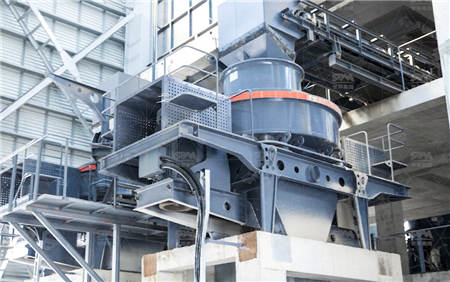
Project: A Kerala-based Ayurvedic company sought to upgrade from manual grinding to automated systems for Ashwagandha root powder.
Solution: A multi-stage process was implemented:
1. Primary crushing via a hammer mill (coarse 10mm particles).
2. Secondary grinding using an air-classifying pulverizer (achieving 150-mesh fineness).
3. Dust extraction via a HEPA-filtered cyclone system.
Outcome: Production capacity increased by 300%, with improved powder consistency and reduced labor costs.
Selecting the right grinding machinery is critical for Ayurvedic medicine quality and scalability. By integrating advanced pulverization technologies tailored to herbal properties, manufacturers can enhance efficiency while adhering to traditional pharmacopeia standards.For bespoke solutions,collaboration with engineers familiar with both Ayurvedic requirements and mechanical design is recommended

