Grinding of Iron Ore: Wet vs Dry Comparison in the Mining and Aggregates Industry
The mining and aggregates industry heavily relies on efficient grinding processes to prepare iron ore for downstream applications, such as pelletizing or direct reduction. Two primary methods dominate this sector: wet grinding and dry grinding. Each approach offers distinct advantages and challenges, influencing operational efficiency, cost, and environmental impact.
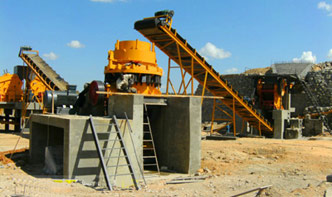
Iron ore processing begins with crushing and grinding to liberate valuable minerals from gangue materials. The choice between wet and dry grinding depends on factors like ore characteristics, energy consumption, water availability, and end-use requirements.
In wet grinding, water is added to the ore during milling (e.g., ball mills or rod mills), forming a slurry. Key advantages include:
However, wet grinding demands significant water resources, slurry handling infrastructure, and post-grinding dewatering (e.g., thickeners or filters), increasing capital and operational costs.
Dry grinding processes (e.g., vertical roller mills or HPGRs) eliminate water usage, offering:
Drawbacks include higher dust generation (requiring robust dust suppression systems) and potential overgrinding due to particle re-agglomeration.
Equipment selection hinges on:
1. Ore Hardness: Abrasive ores may favor wet milling to reduce wear on liners/media.
2. Moisture Content: Sticky ores complicate dry grinding but suit wet methods.
3. End Product Specifications: Pelletizing often mandates wet-ground fines (<45µm), while DSO tolerates coarser dry output.
Q1: Which method is more cost-effective?
A: Dry grinding typically has lower OPEX (no water treatment), but CAPEX varies by project scale/water access.
Q2: Can hybrid systems be used?
A: Yes—some operations combine dry pre-grinding (HPGR) with wet finishing mills for balance.
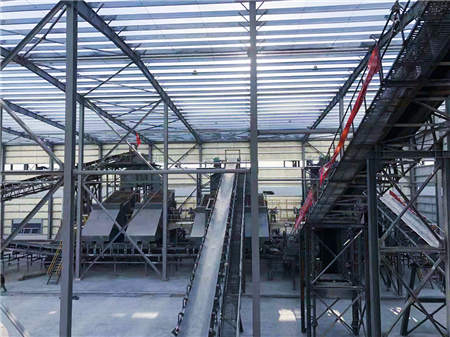
A Brazilian iron ore mine switched from wet to dry HPGR circuits, cutting water use by 90% while maintaining 12 Mtpa output. Dust was mitigated via enclosed conveyors + baghouses, proving viability in humid climates with stringent ESG goals.
The wet vs dry debate lacks a universal answer; site-specific factors dictate the optimal approach. Advances in dry tech (e.g., air classifiers) are narrowing performance gaps, but wet systems retain dominance where ultra-fine liberation is paramount—underscoring the need for tailored solutions in iron ore comminution strategies worldwide.

