Crushing vs. Grinding in Aggregate Processing: Key Differences and Applications
The aggregate industry relies heavily on crushing and grinding equipment to produce high-quality sand, gravel, and crushed stone for construction, road building, and infrastructure projects. While both processes reduce particle size, they serve distinct purposes in mineral processing and aggregate production.
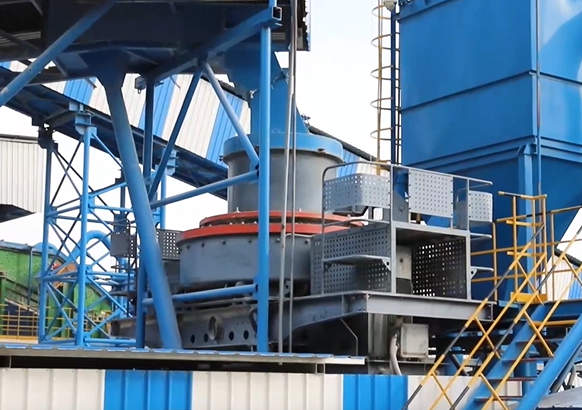
1. Particle Size Reduction Scope
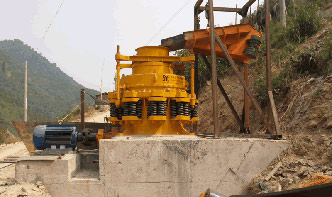
– Crushing: Primarily handles coarse materials (e.g., blasted rock or large quarry stones), reducing them to smaller fragments (typically >5 mm). Jaw crushers, cone crushers, and impact crushers are common machines.
– Grinding: Focuses on finer particle reduction (<5 mm), often applied downstream after crushing to produce sand or powder. Ball mills, vertical roller mills, and rod mills are typical grinding equipment.
2. Mechanism of Action
– Crushing applies compressive force to break rocks along natural fissures.
– Grinding uses abrasion/impact (e.g., steel balls in a mill) to wear down particles progressively.
3. Energy Efficiency & Cost
– Crushing is more energy-efficient for primary size reduction.
– Grinding consumes significantly more power per ton of output due to finer processing requirements.
Q1: Can crushing replace grinding?
No—crushing alone cannot achieve the ultra-fine consistency required for applications like concrete sand or mineral powders.
Q2: How to optimize crushing-grinding workflows?
Adopt multi-stage circuits: Primary crushing → Secondary crushing → Screening → Tertiary grinding (if needed). Pre-screening minimizes unnecessary grinding load.
A quarry in Texas improved efficiency by integrating a jaw crusher (primary), cone crusher (secondary), and a vertical shaft impactor (tertiary grinding substitute) to produce ASTM-compliant concrete sand with minimal overgrinding waste.
Understanding these differences helps operators select the right equipment balance—maximizing yield while controlling operational costs—a cornerstone of sustainable aggregate production today.

