Rock Crusher Buckets: Affordable Solutions for the Aggregate Industry
The aggregate and construction industries rely heavily on efficient crushing equipment to process raw materials like rock, concrete, and asphalt. Among the versatile tools available, rock crusher buckets have gained popularity for their cost-effectiveness and adaptability. These attachments transform excavators into mobile crushers, reducing the need for standalone crushing plants and lowering operational costs.
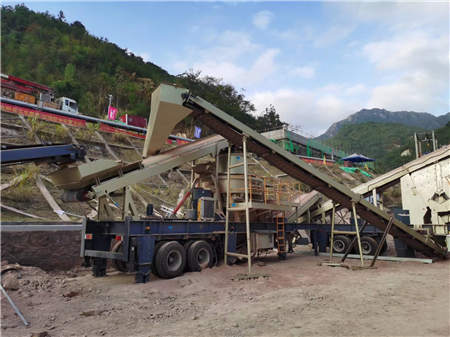
The demand for crushed stone and sand continues to rise due to urbanization and infrastructure development. Traditional crushing setups involve significant capital investment and logistical challenges. In contrast, rock crusher buckets offer a portable, on-site solution—ideal for small to mid-sized projects or recycling applications. Their ability to process material directly at the source minimizes transportation costs and environmental impact.
1. Cost Efficiency: Cheap rock crusher buckets provide an affordable alternative to fixed crushers, with lower maintenance and fuel consumption.
2. Versatility: Compatible with various excavator sizes, they handle multiple materials (e.g., granite, limestone, demolition waste).
3. Mobility: Ideal for remote sites or tight spaces where traditional plants cannot operate.
4. Ease of Use: Simple installation and intuitive controls reduce downtime and training needs.
A: Most buckets require 10+ ton excavators, but smaller models exist for compact machines.
A: Yes, many models are designed for recycling construction debris into reusable aggregate.
A: Output can be adjusted via jaw settings, though fixed crushers may offer finer grading for specialized uses.
A contractor in Texas used a budget-friendly crusher bucket to process demolition waste onsite during a highway expansion project. By crushing concrete rubble into base material, they saved $50K in disposal fees and reduced trucking requirements by 70%.
For contractors seeking economical crushing solutions, rock crusher buckets deliver flexibility and ROI without compromising performance. As technology advances, these attachments are becoming indispensable in sustainable construction practices worldwide.

