Small Iron Ore Purification Plant Structure and Its Role in the Aggregate Industry
The mining and aggregate industry relies heavily on efficient ore processing and purification systems. Small iron ore purification plants play a critical role in transforming raw iron ore into high-quality materials suitable for construction, manufacturing, and other industrial applications. These plants integrate crushing, grinding, magnetic separation, and dewatering processes to achieve optimal purity levels.
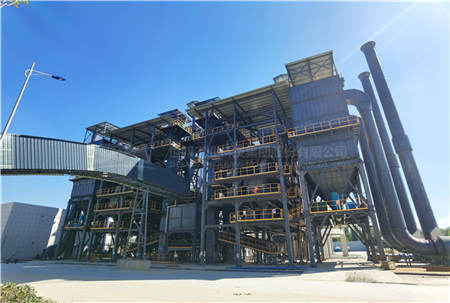
Iron ore is a key raw material for steel production, but its natural state often contains impurities like silica, alumina, and phosphorus. Small-scale purification plants are designed to cater to localized or niche markets where large-scale operations are impractical. These facilities emphasize flexibility, cost-efficiency, and environmental sustainability while meeting stringent quality standards.
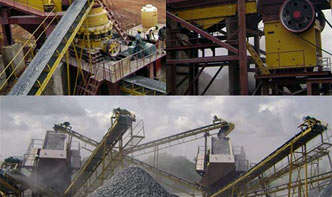
1. Crushing & Screening Unit: Primary jaw crushers or cone crushers reduce large ore chunks into smaller fragments (~6-20mm). Vibrating screens classify the material for further processing.
2. Grinding Mill: Ball mills or vertical roller mills pulverize the ore into fine particles to liberate iron oxides from gangue minerals.
3. Magnetic Separation: High-intensity magnetic separators extract ferrous content from non-magnetic impurities (e.g., quartz).
4. Dewatering System: Filter presses or thickeners remove excess moisture from the concentrate for easier handling and transport.
Purified iron ore concentrate can be blended with other aggregates (e.g., limestone, granite) to enhance concrete strength or used as a raw material in steelmaking slag production—a common additive in road construction.
Q1: What’s the typical output capacity of a small plant?
A: Ranges from 10–100 tons per hour, depending on equipment configuration.
Q2: How is waste managed?
A: Tailings are often recycled as construction fill or treated to minimize environmental impact.
A pilot plant in Brazil achieved 95% Fe recovery using a compact modular design with mobile crushers and dry magnetic separators—reducing water usage by 30% compared to traditional wet methods.
By optimizing small-scale purification structures, operators can balance economic viability with resource efficiency—an essential strategy for modern aggregate businesses facing rising demand and regulatory pressures.

