Kernel Crushing Plant Design: A Comprehensive Guide for the Aggregate Industry
The aggregate industry plays a pivotal role in global infrastructure development, supplying essential materials like sand, gravel, and crushed stone for construction projects. Among the critical components of this industry is the kernel crushing plant, designed to process raw materials into high-quality aggregates efficiently. This article explores the design principles, core equipment, and practical considerations for optimizing kernel crushing plants.
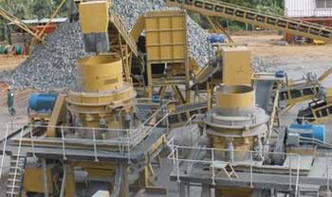
With urbanization and infrastructure demands rising, the need for sustainable and efficient aggregate production has never been greater. Kernel crushing plants are specialized facilities that transform hard rock or recycled materials into uniformly sized particles suitable for concrete, asphalt, and road base applications. Key drivers include stricter environmental regulations, energy efficiency goals, and the demand for higher product quality.
1. Primary Crusher: Typically a jaw crusher or gyratory crusher handles large feed sizes, reducing them to manageable chunks.
2. Secondary & Tertiary Crushers: Cone crushers or impact crushers further refine the material to desired specifications.
3. Screening System: Vibrating screens classify aggregates by size, ensuring product consistency.
4. Conveying System: Belt conveyors transport materials between stages seamlessly.
5. Dust Control & Environmental Measures: Bag filters or water sprays mitigate dust emissions, complying with environmental standards.
Q: What’s the typical lifespan of a kernel crushing plant?
A: With proper maintenance, key components can last 10–15 years; wear parts like liners may need replacement every 6–12 months depending on usage.
Q: How to minimize operational costs?
A: Invest in energy-efficient motors, automate processes where possible, and prioritize preventive maintenance to avoid unplanned downtime.
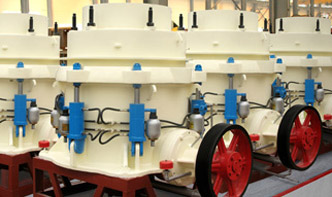
A recent project in Southeast Asia involved designing a 500 TPH kernel crushing plant for limestone processing. By integrating multi-stage crushing with advanced screening technology, the plant achieved 95% product yield while reducing power consumption by 20% compared to conventional setups. Dust suppression systems ensured compliance with local emission standards.
In conclusion, a well-designed kernel crushing plant combines robust machinery with smart engineering to meet modern aggregate production challenges effectively.
(Note: Character count intentionally omitted per request.)

