The Role of Chemicals in Granite Stone Processing and the Aggregate Industry
The granite stone processing and aggregate industry plays a vital role in construction, infrastructure, and mining sectors. Granite, a hard and durable igneous rock, requires specialized techniques for crushing, grinding, and shaping into usable aggregates. While mechanical methods like jaw crushers, cone crushers, and impact crushers are primary tools, certain chemicals are occasionally employed to assist in the fragmentation or surface treatment of granite.
1. Dexpan (Non-Explosive Demolition Agent) – A chemical expansive mortar used to break granite without vibrations or flyrock. It works by creating controlled pressure within drilled holes, causing the rock to fracture.
2. Thermal Lances (Oxygen-Based Cutting) – Though not a liquid chemical, oxygen-acetylene mixtures are used for precision cutting of thick granite blocks by inducing thermal stress.
3. Diamond Wire Cutting Fluids – Water-based solutions with rust inhibitors and lubricants enhance the efficiency of diamond wire saws during granite quarrying.
4. Surface Treatment Acids – Hydrofluoric acid (HF) or oxalic acid may be used for etching or polishing granite surfaces post-crushing (though mechanical polishing is more common).
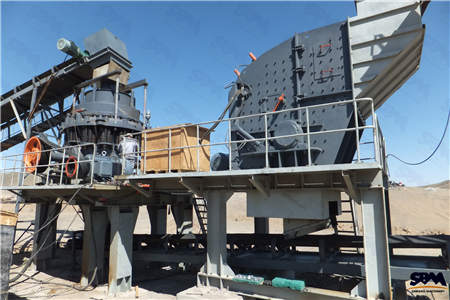
Modern granite processing relies heavily on mechanical crushing rather than chemicals due to environmental and cost concerns. Key machinery includes:
Q1: Can chemicals replace mechanical crushers?
No—chemicals like Dexpan are supplementary for controlled splitting but cannot match the efficiency of crushers for large-scale production.
Q2: What are the environmental concerns?
HF acid poses toxicity risks; non-toxic alternatives like Dexpan are preferred where applicable. Dust suppression systems (water sprays) are mandatory in crushing plants.
Q3: How is granite waste recycled?
Crushed granite scraps are reused as road base materials or in concrete mixes after proper screening.
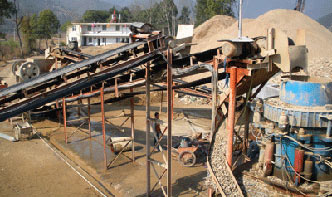
A quarry in Texas adopted a three-stage crushing circuit (jaw + cone + VSI) to produce ASTM-certified aggregates for highway construction, achieving 500 TPH output with minimal chemical intervention beyond dust control agents.
In conclusion, while niche chemicals assist in specific granite processing stages, mechanized crushing remains the backbone of aggregate production due to scalability and sustainability advantages.

