Calcium Silicide Quarry Equipment: Optimizing Aggregate Production
The global demand for high-quality aggregates continues to rise, driven by infrastructure development and construction projects. Calcium silicide (CaSi₂), though niche, plays a role in metallurgical and abrasive applications, requiring specialized quarrying and processing equipment. This article explores key machinery for calcium silicide extraction and its relevance to broader aggregate production.
Aggregates like limestone, granite, and industrial minerals (e.g., calcium silicide) form the backbone of construction and manufacturing. Quarry operations must balance efficiency, environmental compliance, and product quality. For abrasive or metallurgical-grade materials, precise crushing and sizing are critical to meet industry specifications.
1. Primary Crushers: Jaw crushers or gyratory crushers reduce large calcium silicide rocks to manageable sizes (150–300 mm). Hardness and abrasiveness necessitate wear-resistant linings.
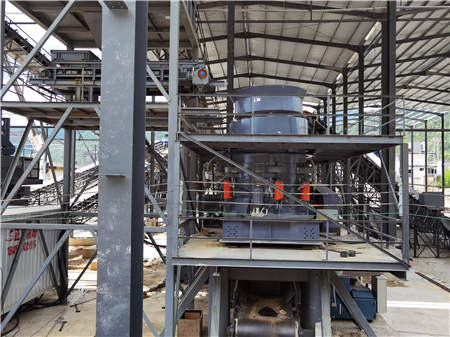
2. Secondary Crushing: Cone crushers or impact crushers further refine the material to 20–50 mm, ensuring uniformity for downstream grinding or metallurgical use.
3. Screening Systems: Vibrating screens classify particles by size, separating fines for recycling or disposal. High-frequency screens improve efficiency for abrasive materials.
4. Grinding Mills: For ultra-fine applications (e.g., CaSi₂ powder), vertical roller mills or ball mills are employed with dust control systems.
Q1: Can standard quarry equipment process calcium silicide?
A: While possible, standard gear may suffer accelerated wear. Customized solutions with hardened components are recommended for longevity.
Q2: How is waste rock managed?
A: Overburden and low-grade material are often repurposed for road base or land reclamation to minimize landfill use.
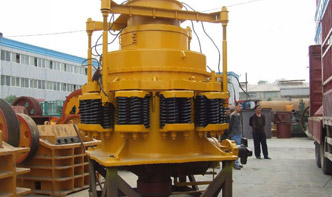
A Scandinavian quarry integrated a three-stage crushing circuit with cone crushers and air classifiers to produce 50,000 MT/year of calcium silicide powder for steelmaking additives. By adopting hybrid screening (polyurethane mats + steel meshes), they extended screen life by 30%.
Calcium silicide quarrying exemplifies the intersection of mineral specificity and aggregate best practices. Investing in robust, adaptable equipment ensures sustainable production while meeting niche industrial demands—principles equally applicable to conventional sand-and-gravel operations seeking higher efficiency margins.”

