The Growing Demand for Crushing and Sand-Making Equipment in the Aggregates Industry
The global construction boom has driven unprecedented demand for high-quality sand and aggregates. As natural sand reserves deplete, manufactured sand (M-Sand) produced by crushing and sand-making equipment has become a sustainable alternative. This shift has spurred investments in advanced processing plants, including antimony processing facilities, where robust crushing systems play a critical role.
Core Equipment in Aggregate Production
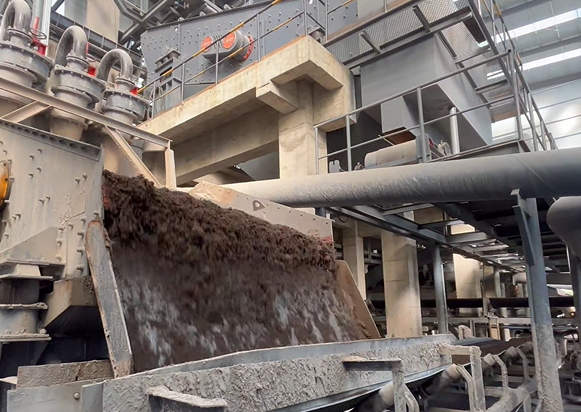
Modern crushing and sand-making plants rely on key machinery:
1. Jaw Crushers: Primary crushing of hard rocks like granite or basalt.
2. Cone Crushers: Secondary crushing for finer output, ideal for high-abrasion materials.
3. Vertical Shaft Impactors (VSI): Tertiary stage to produce well-graded M-Sand with optimal particle shape.
4. Vibrating Screens: Precise grading to meet ASTM or EN standards.
For antimony ore processing, specialized crushers and mills are integrated to extract metallic concentrates while minimizing waste.
Advantages of Manufactured Sand
FAQs in Crushing Plant Setup
Q: What’s the typical ROI period for a sand-making plant?
A: Depending on scale, 12–24 months with stable market demand.
Q: How to mitigate dust pollution?
A: Enclosed layouts, water sprays, and bag filters are effective solutions.
Q: Can one plant process both aggregates and antimony ore?
A: Possible but requires modular design to avoid cross-contamination.
Project Case: Southeast Asia Aggregate Plant
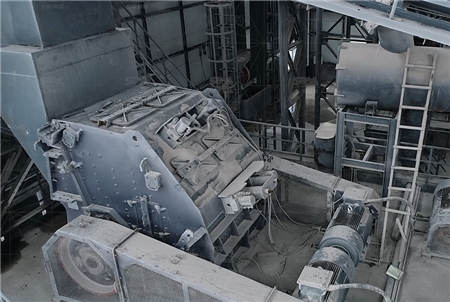
A 200-TPH facility combined a jaw crusher, cone crusher, and VSI to produce ASTM C33-compliant sand for highway construction. The plant achieved 95% uptime with automated controls reducing labor costs by 30%.
As infrastructure projects multiply globally, the crushing and sand-making sector will continue evolving with smarter, eco-friendlier technologies—making it a pivotal link in the construction value chain.

