Indonesia’s Growing Demand for Stone Crushers and Aggregate Equipment
Indonesia’s rapid infrastructure development has fueled significant demand for stone crushers and aggregate processing equipment. As the country invests in roads, bridges, and urban construction, high-quality crushed stone, sand, and gravel are essential raw materials. This article explores key factors driving Indonesia’s stone crusher market, equipment selection criteria, and practical insights for buyers.
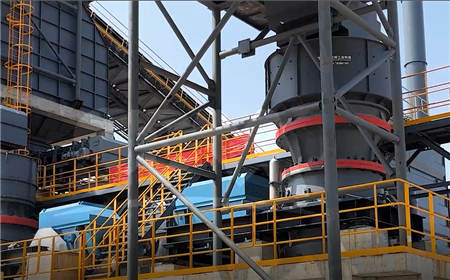
Indonesia’s construction sector is expanding due to government initiatives like the National Strategic Projects (PSN) and private investments in commercial real estate. The archipelago’s diverse geography—volcanic rock reserves in Java, limestone in Sumatra—creates opportunities for localized crushing solutions. However, challenges such as logistics, regulatory compliance (e.g., environmental permits), and power supply variability must be addressed.
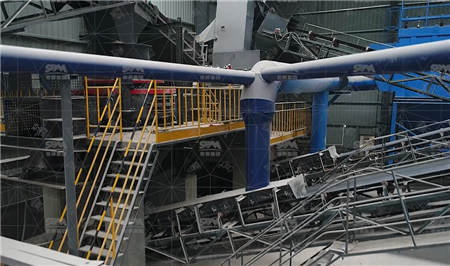
1. Types of Crushers:
– Jaw Crushers: Ideal for primary crushing of hard materials (granite, basalt).
– Cone Crushers: Suited for secondary/tertiary crushing with finer output.
– Impact Crushers: Versatile for softer rocks (limestone) and recycling applications.
– Mobile Crushers: Gaining popularity for remote sites due to flexibility and quick setup.
2. Supporting Machinery: Vibrating screens, sand washers, and conveyors are critical for grading and material handling.
3. Local Adaptations: Humidity-resistant motors and dust suppression systems are often required due to tropical conditions.
A: Small-scale projects may require 30–50 TPH plants, while large quarries opt for 200+ TPH setups.
A: Choose robust designs with locally available spare parts (e.g., bearings, belts). Partner with suppliers offering on-site training.
A: Yes, but inspect wear parts (liners, rotors) thoroughly. Newer models offer better fuel efficiency and automation.
A contractor supplying concrete plants invested in a 150 TPH mobile cone crusher paired with a three-deck screen. This setup reduced transportation costs by processing raw material on-site, achieving 0–5mm sand and 10–20mm aggregate simultaneously. Key takeaways: modular designs saved 30% on logistics vs. stationary plants; proactive maintenance extended component life by 20%.
Indonesian buyers should prioritize equipment matching their material type, project scale, and operational constraints. Collaborating with experienced suppliers who understand local regulations ensures smoother deployments—whether for quarrying or urban construction waste recycling.

