Optimizing Infeed Size in Jaw Crushers for Basalt Rock Processing
The aggregates and sand production industry relies heavily on efficient crushing equipment to process hard and abrasive materials like basalt. As a primary crusher, the jaw crusher plays a critical role in reducing large basalt rocks into manageable sizes for further processing. Understanding the optimal infeed size for basalt is essential to maximize productivity, minimize wear, and ensure consistent output quality.
Basalt, a dense volcanic rock with high compressive strength (typically 100-300 MPa), is widely used in construction, road base, and railway ballast due to its durability. However, its hardness poses challenges for crushing equipment. Jaw crushers are preferred for primary crushing because of their robust design and ability to handle large feed sizes. The infeed size directly impacts crusher performance, energy consumption, and liner wear.
1. Crusher Opening Dimensions: The maximum infeed size should not exceed 80–85% of the crusher’s gape (the distance between the fixed and moving jaw plates). For example, a jaw crusher with a 1,000 mm gape can typically handle basalt rocks up to 800–850 mm.
2. Material Characteristics: Basalt’s high abrasiveness demands careful selection of infeed size to avoid excessive wear on jaw plates. Oversized feed may cause blockages or uneven wear, while undersized feed reduces throughput.
3. Crushing Ratio: A higher crushing ratio (e.g., 6:1) requires smaller infeed sizes to achieve desired output gradation efficiently.
Q: What happens if basalt exceeds the recommended infeed size?
A: Oversized rocks can cause jamming, increased cycle times, and accelerated wear on jaw plates due to uneven stress distribution.
Q: How can operators optimize infeed size?
A: Use pre-screening (e.g., grizzly feeders) to remove fines or oversized material before crushing. Regular maintenance of jaw plates also ensures consistent performance.
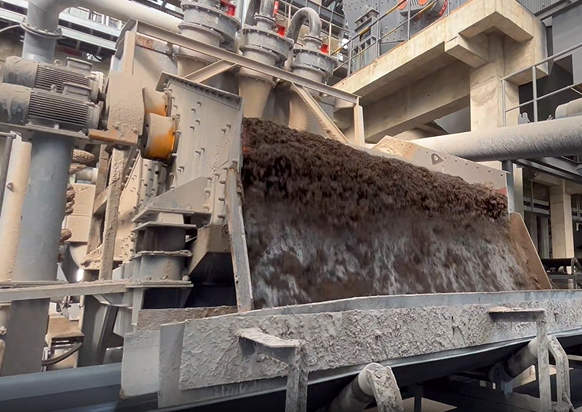
A quarry in Indonesia processing basalt for road construction upgraded its primary jaw crusher (1,200 mm gape) with a vibrating grizzly feeder to control infeed size (~700 mm max). This reduced unplanned downtime by 30% and extended liner life by 20%, demonstrating the importance of proper feed sizing.
Selecting the right infeed size for basalt in jaw crushers balances efficiency, cost-effectiveness, and equipment longevity. Operators must align feed dimensions with crusher specifications and material properties to optimize production outcomes in demanding aggregate applications.

