Crushing Plant Executive Summary: The Backbone of Aggregate Production
The global construction boom has fueled unprecedented demand for high-quality aggregates, driving the rapid evolution of crushing and screening technologies. As a cornerstone of infrastructure development, modern crushing plants integrate advanced automation, energy efficiency, and environmental sustainability to meet stringent industry standards.
Industry Overview
Aggregates—crushed stone, sand, and gravel—are essential for concrete, asphalt, and road base materials. With urbanization accelerating in emerging economies, the market is projected to grow at 5% CAGR through 2030. Key challenges include resource depletion, stricter emissions regulations, and the need for higher productivity.
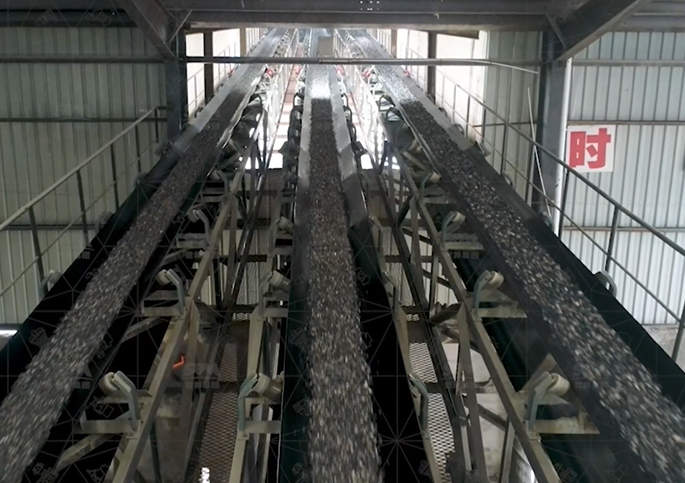
Core Technologies & Innovations
1. Primary Crushing: Jaw crushers (e.g., C6X series) dominate for hard rock, offering 20% higher capacity with hydraulic adjustment.
2. Secondary/Tertiary Crushing: Cone crushers (like HPT multi-cylinder models) ensure cubical end products via laminating crushing principles.
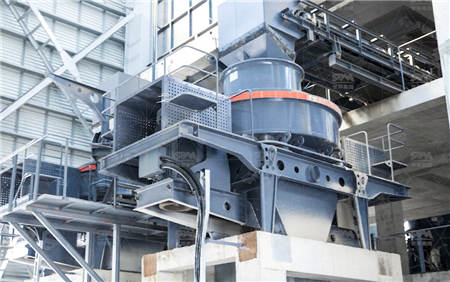
3. Vertical Shaft Impactors (VSI): Critical for manufactured sand (M-sand), achieving 5–10% better particle shape vs. natural sand.
4. Mobile Solutions: Track-mounted plants (e.g., K3 series) reduce setup time by 30% with plug-and-play designs.
Sustainability Focus
FAQs
Q: How to optimize crusher liner wear?
A: Rotate liners periodically; use Mn18Cr2 alloy for abrasive materials (>550 BHN).
Q: Ideal moisture content for screening?
A: Keep below 3% to prevent blinding; consider heated screens for humid climates.
Case Study: Limestone Quarry in Texas
A 500 TPH plant replaced a three-stage setup with a single CH860 cone crusher + CV218 VSI, boosting yield by 22% while reducing power use by 18%. ROI achieved in <14 months via lower maintenance costs.
The future lies in AI-driven predictive maintenance and closed-loop recycling systems—where every tonne of demolition waste becomes tomorrow’s raw material.

