The Critical Role of Flywheel Grinding Stones in Aggregate Processing
The aggregate and sand production industry relies heavily on precision machinery to crush, grind, and shape raw materials into high-quality construction-grade products. Among the essential tools in this process is the Norton flywheel grinding stone (6-inch), a specialized abrasive component designed for maintaining critical equipment like crushers and pulverizers.
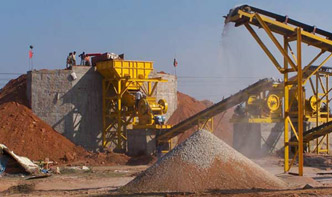
Aggregate processing demands durable equipment capable of handling abrasive materials such as granite, basalt, and limestone. Over time, mechanical components like flywheels—which stabilize crusher operations—develop wear or surface irregularities. Proper maintenance with precision grinding tools ensures optimal performance, reduces downtime, and extends machinery lifespan.
Norton’s 6-inch grinding stone is engineered for heavy-duty applications:
Common applications include resurfacing jaw crusher flywheels or cone crusher eccentric assemblies where even minor imperfections can lead to inefficient crushing or premature bearing failure.
1. How often should flywheels be reground?
– Inspect every 500–1,000 operating hours; regrind if surface wear exceeds 0.005 inches.
2. Can this stone be used wet or dry?
– Norton stones are typically designed for dry grinding but consult manufacturer guidelines for specific models.
3. What safety precautions are necessary?
– Always use eye protection and ensure the grinder RPM matches the stone’s rated speed.
A Texas-based limestone quarry reduced crusher downtime by 30% after adopting scheduled flywheel maintenance with Norton stones. Previously, unplanned shutdowns occurred due to uneven wear causing belt slippage—resolved by quarterly regrinding cycles.
In the demanding aggregate sector, tools like Norton’s flywheel grinding stone play a pivotal role in sustaining productivity. Investing in quality abrasives translates to lower operational costs and consistent output—a priority for any sand or gravel producer aiming for long-term efficiency gains.

