Copper Mining Equipment Plant Process: From Ore to Valuable Resource
The copper mining industry plays a vital role in global infrastructure and technology development. To extract copper efficiently, mining operations rely on specialized equipment and well-designed processing plants. The process typically involves crushing, grinding, flotation, and smelting to transform raw ore into high-purity copper.
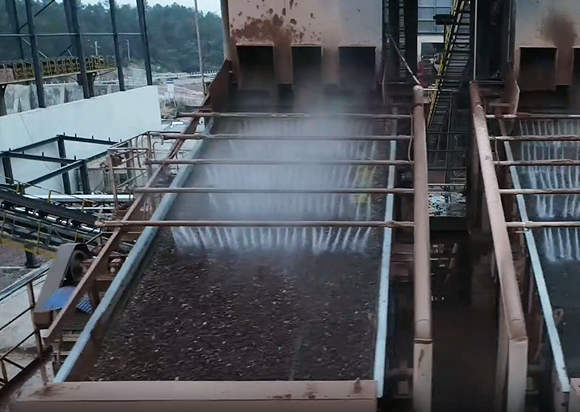
1. Crushing & Grinding
– Primary crushing reduces large ore chunks using jaw or gyratory crushers.
– Secondary/tertiary crushing (cone crushers) further refines the material before grinding in ball mills or SAG mills to produce fine particles.
2. Froth Flotation
– Crushed ore is mixed with water and reagents to separate copper minerals from waste rock via flotation cells. Air bubbles carry copper concentrate to the surface for collection.
3. Smelting & Refining
– Concentrates are smelted in furnaces to remove impurities, producing blister copper (~99% pure).
– Electrolytic refining achieves 99.99% pure copper cathodes for industrial use.
Q: What are the environmental concerns in copper mining?
A: Proper tailings management, water recycling, and dust control systems mitigate environmental impact. Modern plants prioritize sustainable practices like dry stacking tailings.
Q: How is energy consumption optimized?
A: High-efficiency motors, advanced process controls, and renewable energy integration reduce operational costs and carbon footprint.
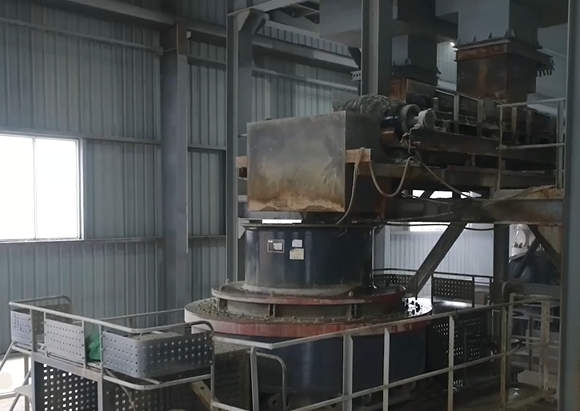
A Chilean mine upgraded its crushing circuit with multi-stage cone crushers and HPGR (High-Pressure Grinding Rolls), increasing throughput by 20% while cutting energy use by 15%. Automated flotation controls further improved concentrate grade consistency.
Copper mining demands robust equipment and precise processes to maximize recovery while minimizing waste. Innovations in crushing, flotation, and refining continue to drive productivity gains in this critical industry.

