The Role of Crushing and Sand-Making Equipment in the Aggregates Industry
The global construction boom has driven surging demand for high-quality sand and aggregates. Natural sand reserves are dwindling due to environmental regulations, making manufactured sand (M-Sand) a sustainable alternative. Crushing and sand-making equipment plays a pivotal role in producing graded aggregates for concrete, asphalt, and infrastructure projects.
1. Jaw Crushers: Primary crushing of hard rocks (e.g., granite, basalt) with high reduction ratios.
2. Cone Crushers: Secondary/tertiary crushing for precise particle shaping.
3. Impact Crushers: Ideal for softer materials (limestone, recycled concrete), offering cubical end products.
4. Sand Makers (VSI/HVI): Key for M-Sand production, ensuring optimal gradation and low flakiness.
5. Screening & Washing Systems: Remove impurities and classify aggregates by size.
Q1: Why choose M-Sand over natural sand?
A: M-Sand has consistent gradation, enhances concrete strength, and reduces ecological impact from riverbed mining.
Q2: How to mitigate dust in crushing plants?
A: Use water sprays, enclosed conveyors, and bag filters alongside dust suppression systems.
Q3: What’s the lifespan of crusher wear parts?
A: Depends on material abrasiveness; manganese steel jaws typically last 6–12 months under normal use.
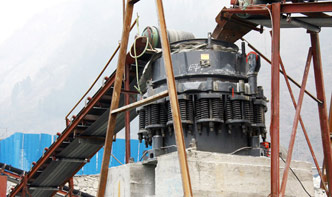
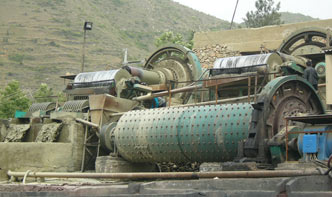
A 500 TPH facility deployed a three-stage crushing circuit (jaw + cone + VSI) to produce ASTM-compliant aggregates for local highway construction. The plant reduced energy consumption by 15% via hybrid drives and achieved zero wastewater discharge with a closed-loop water recycling system.
By investing in advanced crushing technology, producers can meet stringent quality standards while aligning with sustainability goals—a win-win for the industry and the environment.

