The Growing Importance of Brass Metal Recycling Equipment in Sustainable Resource Management
The global push toward sustainability has elevated the importance of metal recycling, particularly for non-ferrous metals like brass. Brass, an alloy of copper and zinc, is widely used in plumbing, electrical components, and decorative applications due to its corrosion resistance and malleability. Recycling brass not only conserves natural resources but also reduces energy consumption by up to 90% compared to primary production. To meet this demand, advanced brass metal recycling equipment has become a cornerstone of efficient scrap processing.
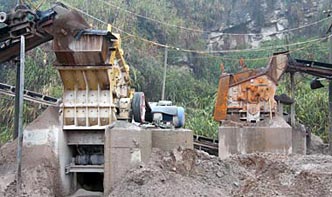
1. Shredders and Crushers: Pre-processing brass scrap into smaller pieces improves sorting and melting efficiency. Heavy-duty shredders handle large brass components, while crushers reduce bulkier scraps into uniform fragments.
2. Magnetic Separators: Although brass is non-magnetic, these systems remove ferrous contaminants mixed with scrap.
3. Eddy Current Separators: These separate non-ferrous metals (e.g., aluminum) from brass scraps using magnetic fields, ensuring higher purity.
4. Furnaces and Melting Systems: Rotary or induction furnaces melt sorted brass at controlled temperatures, preparing it for recasting into new products.
5. Dust Collection Systems: Essential for capturing hazardous fumes and particulates during processing, ensuring compliance with environmental regulations.
Q: What types of brass scrap can be processed?
A: Common sources include plumbing fixtures, electrical terminals, and machining turnings—each requiring specific sorting and cleaning methods.
Q: How does recycling brass compare to producing new brass?
A: Recycling consumes significantly less energy (10-15% of primary production) and reduces mining-related environmental damage.
Q: What maintenance do recycling systems require?
A: Regular wear-part inspections (e.g., shredder blades), furnace lining checks, and dust filter replacements ensure longevity and efficiency.
A European metal recycler upgraded its plant with an automated sorting line featuring eddy current separators and optical sensors. This reduced manual sorting labor by 40% and increased brass purity from 92% to 98%, boosting resale value by 15%. The ROI was achieved within 18 months due to higher throughput and reduced waste disposal costs.
Investing in modern brass metal recycling equipment is a strategic move for recyclers aiming to enhance profitability while adhering to sustainability goals. As regulations tighten and raw material costs rise, efficient scrap processing systems will remain vital to the metals industry’s future.

