Understanding TPH in Crushers: A Guide for Aggregate Producers
The aggregate and sand production industry relies heavily on crushers to process raw materials into usable sizes. One critical metric in evaluating crusher performance is TPH (tons per hour), which measures the machine’s processing capacity. For plant managers and engineers, accurately determining TPH ensures optimal production efficiency and cost-effectiveness.
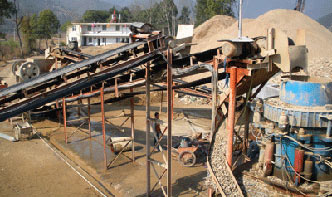
With rising demand for construction materials, crushers play a pivotal role in producing high-quality aggregates. Whether for road base, concrete, or asphalt, consistent output depends on selecting the right crusher with the appropriate TPH rating. Factors like feed size, material hardness, and moisture content directly influence throughput.
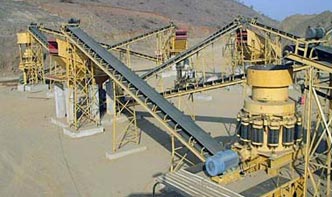
1. Feed Material Analysis
– Hardness (e.g., granite vs. limestone) affects crushing speed.
– Feed size distribution impacts the crusher’s efficiency.
2. Crusher Type & Settings
– Jaw crushers typically handle 50–1,500 TPH, while cone crushers range 100–600 TPH.
– Adjusting CSS (closed-side setting) influences output gradation and capacity.
3. Operational Conditions
– Moisture content can cause clogging, reducing throughput.
– Proper maintenance (e.g., wear parts replacement) sustains TPH over time.
A: Worn liners or improper settings reduce efficiency—regular inspections are key.
A: Optimize feed gradation and ensure consistent material flow to avoid bottlenecks.
A Texas-based quarry increased TPH by 20% after switching to a high-capacity cone crusher and optimizing feeder speed. Pre-screening removed fines, reducing crusher load and improving throughput.
Accurate TPH assessment requires evaluating material properties, equipment specs, and operational practices. Partnering with experienced crushing specialists ensures your plant meets production targets while maintaining product quality. For tailored solutions, consult manufacturers with proven industry expertise.

