The Growing Demand for Grinding Mills in Europe’s Aggregate Industry
The European construction and mining sectors are witnessing a surge in demand for high-quality sand and gravel aggregates, driven by infrastructure development and sustainable building practices. Central to this demand are grinding mills and crushing equipment, which transform raw materials into precise, market-ready products. Alibaba Europe has emerged as a key platform connecting buyers with reliable suppliers of these machines.
Europe’s strict environmental regulations and emphasis on recycled materials have reshaped the aggregate industry. Grinding mills—such as ball mills, Raymond mills, and vertical roller mills—are now designed for energy efficiency and low emissions. These machines process limestone, granite, and recycled concrete into fine powders or uniform aggregates for asphalt, concrete, and railway ballast.
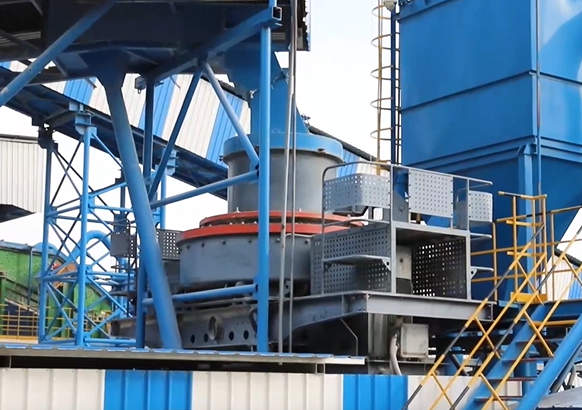
1. Versatility: Modern grinding mills handle diverse materials, from soft minerals to hard rocks, with adjustable fineness (e.g., 50–3,000 mesh).
2. Automation: IoT-enabled systems optimize performance, reducing downtime via real-time monitoring.
3. Sustainability: Dust suppression and noise reduction technologies align with EU directives like the Industrial Emissions Directive (IED).
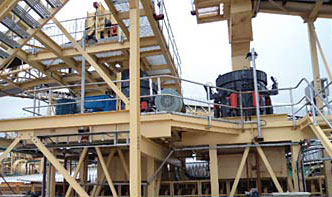
Q1: What’s the typical output capacity of a grinding mill?
A: Ranges from 1–100 tons/hour, depending on model (e.g., small-scale Raymond mills vs. industrial ball mills).
Q2: How to maintain grinding mill wear parts?
A: Regular inspection of grinding rollers/liners and lubrication is critical; hardened alloys extend service life.
Q3: Can recycled concrete be processed?
A: Yes, but pre-screening to remove contaminants is essential to protect the mill’s internals.
A Bavarian quarry replaced its outdated jaw crusher with a vertical shaft impact (VSI) crusher paired with a grinding mill from an Alibaba Europe supplier. The result:
As Europe prioritizes green construction, grinding mills from platforms like Alibaba Europe offer scalable solutions. Buyers should prioritize suppliers with CE certification and after-sales support to ensure compliance and longevity. Investing in advanced technology today can future-proof operations against evolving regulatory and market demands.

