The Stone Crushing and Sand Making Industry: Key Insights and Applications
The stone crushing and sand-making industry plays a pivotal role in infrastructure development, supplying essential aggregates for construction, roads, and concrete production. Among the key hubs for such operations is Chandikhol, India, where several stone crushing plants contribute significantly to regional and national demand.
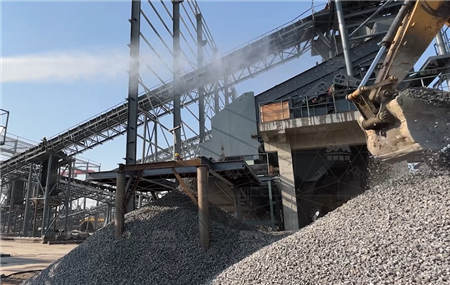
Aggregates (crushed stone, sand, and gravel) are fundamental to modern construction. With rapid urbanization and infrastructure projects, the demand for high-quality aggregates has surged. Stone crushing plants transform raw rock into usable materials through primary, secondary, and tertiary crushing stages, often integrated with sand-making machinery for manufactured sand (M-Sand).
1. Jaw Crushers: Primary crushers for coarse reduction of hard rocks.
2. Cone/Impact Crushers: Secondary/tertiary crushers for finer aggregates.
3. VSI Crushers: Critical for producing cubical-shaped M-Sand.
4. Screening & Washing Systems: Ensure gradation and remove impurities.
Plants in Chandikhol typically process basalt, granite, or river gravel, tailored to local construction standards.
Q1: What’s the difference between natural sand and M-Sand?
A: M-Sand is manufactured by crushing rocks, offering better consistency and fewer impurities compared to river sand.
Q2: How to choose a crusher for a specific project?
A: Consider rock hardness, required output size, and capacity. Jaw crushers suit hard rocks; cone/VSIs are ideal for finer aggregates.
Q3: What are environmental concerns?
A: Dust suppression systems, water recycling, and noise control measures are mandatory in modern plants.
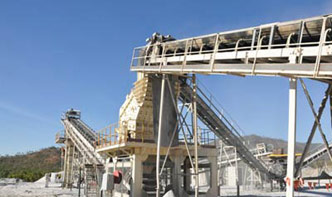
A Chandikhol-based plant upgraded to a 200 TPH VSI crusher system to produce M-Sand for highway construction, achieving 20% higher efficiency than traditional methods while complying with environmental norms.
Stone crushing plants like those in Chandikhol are vital to sustainable construction. Advances in crushing technology and stricter environmental protocols continue to shape the industry’s future—balancing productivity with ecological responsibility.

