Ball Mill Trunnion Bearings: A Critical Component in Mineral Processing and Aggregate Production
The mining and aggregate industries rely heavily on robust equipment to process raw materials into usable products. Among these, ball mills play a pivotal role in grinding ores, cement, and aggregates to desired fineness. A key component ensuring the smooth operation of ball mills is the trunnion bearing, which supports the mill’s rotating cylinder and handles significant mechanical loads.
In sand, gravel, and crushed stone production, ball mills are used for secondary or tertiary grinding. The efficiency of these mills directly impacts product quality and operational costs. Trunnion bearings, positioned at either end of the mill cylinder, must endure heavy radial and axial loads while maintaining alignment under harsh conditions (e.g., dust, moisture, and temperature variations).
1. Load Support: Designed to carry the weight of the mill and grinding media (steel balls or rods).
2. Rotation Facilitation: Enable smooth rotation with minimal friction via hydrodynamic or hydrostatic lubrication systems.
3. Sealing Mechanism: Prevent contamination from abrasive particles and moisture, extending bearing life.
Common materials include high-grade alloy steel with Babbitt metal lining for wear resistance. Modern designs incorporate self-aligning features to compensate for minor misalignments during operation.
Q: What causes trunnion bearing failure?
A: Primary causes include inadequate lubrication, misalignment, contamination, or excessive vibration due to uneven load distribution.
Q: How to prolong bearing lifespan?
A: Regular maintenance (lubrication checks, temperature monitoring), proper alignment during installation, and using high-quality seals are critical.
Q: Hydrostatic vs. hydrodynamic lubrication—which is better?
A: Hydrostatic systems (oil pumps) are ideal for heavy loads at startup, while hydrodynamic bearings rely on rotation-generated oil films for steady-state operation. The choice depends on mill size and operational demands.
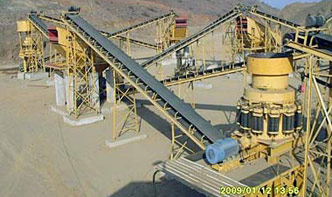
A limestone processing plant reported frequent trunnion bearing failures due to dust ingress. The solution involved upgrading to labyrinth seals with automated grease injection systems. This reduced downtime by 40% and extended bearing service life by over 12 months.
Trunnion bearings are vital for ball mill reliability in aggregate and mineral processing. Investing in advanced designs, proper maintenance protocols, and tailored solutions can significantly enhance operational efficiency and reduce lifecycle costs in demanding environments like sand/gravel plants or cement production facilities.

