The Processes Involved in a Quarry Site: A Comprehensive Overview
The quarrying industry plays a pivotal role in supplying raw materials for construction, infrastructure, and manufacturing. Central to this industry are the processes involved in extracting, crushing, and processing stone into usable aggregates like sand and gravel. Below, we delve into the key stages of quarry operations, focusing on crushing and sand-making equipment, along with common FAQs and real-world applications.
Before any crushing begins, the quarry site must be surveyed and prepared. This involves clearing vegetation, removing overburden (topsoil and waste rock), and drilling/blasting to access the bedrock. Modern quarries prioritize sustainable practices, such as minimizing land disturbance and rehabilitating exhausted sites.
The extracted rock is transported to a primary crusher (e.g., jaw crusher or gyratory crusher), which reduces large boulders into smaller, manageable pieces (typically 6–8 inches in diameter). Primary crushers are robust machines designed to handle high-capacity workloads with minimal downtime.
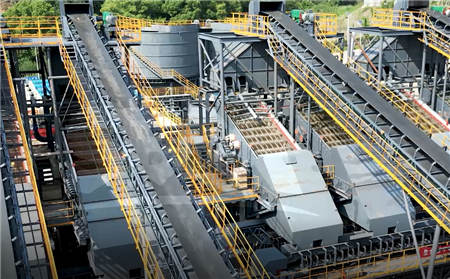
Secondary crushers (e.g., cone crushers or impact crushers) further break down the material into finer aggregates (1–3 inches). For high-quality sand production, tertiary crushing (using vertical shaft impactors or VSI crushers) is employed to shape particles into cubical forms, ideal for concrete and asphalt mixes.
Crushed material passes through vibrating screens to separate it into different sizes (e.g., coarse aggregates, fine sand). Advanced screening systems ensure precise grading, while water sprayers may suppress dust during dry processing.
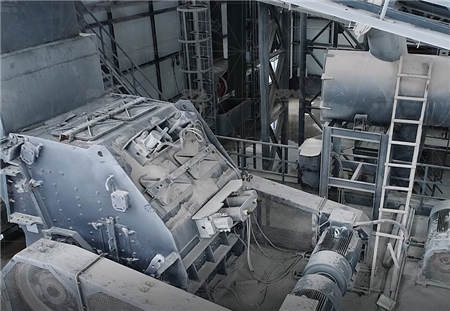
Natural sand shortages have driven demand for manufactured sand (M-Sand). Sand-making machines (like VSI crushers) crush rock into fine particles (<5mm), often with adjustable gradation to meet specific project requirements. M-Sand offers superior consistency compared to natural sand, reducing voids in concrete mixes.
For high-purity applications (e.g., glass production or premium concrete), aggregates undergo washing to remove clay, silt, and organic impurities. Sand screws or hydrocyclones dewater the material before stockpiling or transport.
A: M-Sand is produced mechanically, offering better control over particle shape and gradation, whereas natural sand is mined from riverbeds with inconsistent quality.
A: Dust suppression systems (water sprays, enclosures) and proper ventilation are critical for worker safety and environmental compliance.
A: Regular lubrication, wear-part replacement (e.g., jaw plates, blow bars), and vibration monitoring extend equipment lifespan.
A limestone quarry in Texas upgraded its aging jaw crusher to a hybrid electric-primary crusher, reducing fuel consumption by 30% while maintaining output of 800 tons/hour. The new system also integrated AI-based predictive maintenance, cutting unplanned downtime by 40%.
Quarry operations hinge on efficient crushing and sand-making processes to meet global demand for aggregates. Innovations in automation, sustainability, and equipment design continue to reshape the industry—ensuring higher productivity with lower environmental impact. Whether producing road base or ultra-fine sand, modern quarries rely on precision engineering to deliver quality materials for tomorrow’s infrastructure.

