The Aggregates Industry: From Quarry to Construction
The aggregates industry plays a pivotal role in global infrastructure development, supplying crushed stone, sand, and gravel for concrete, asphalt, and road bases. With urbanization driving demand, efficient crushing and screening equipment has become indispensable for producing high-quality aggregates.
Core Equipment in Aggregate Production
1. Jaw Crushers: Primary crushing of large rocks into manageable sizes.
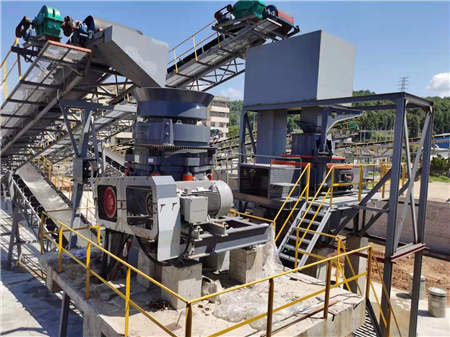
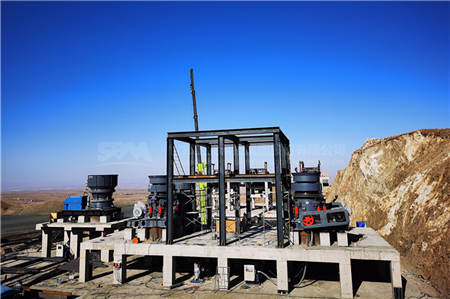
2. Cone Crushers: Secondary/Tertiary crushing for finer output.
3. Impact Crushers: Ideal for shaping aggregates (e.g., cubic grains for high-strength concrete).
4. Vibrating Screens: Classify materials by size for downstream processing.
5. Sand Makers (VSI Crushers): Produce artificial sand with optimal gradation.
Key Considerations for Plant Design
FAQ Section
1. What’s the difference between natural and manufactured sand?
Manufactured sand (M-sand) is produced by crushing rocks, offering better control over particle shape and gradation compared to river sand.
2. How to mitigate dust in crushing plants?
Use water sprays, dust suppression systems, or enclosed conveyors.
3. What’s the typical lifespan of crusher wear parts?
Manganese steel jaws/cones last 200–500 hours depending on material abrasiveness; regular inspection is critical.
Case Study: Limestone Quarry in Texas
A quarry upgraded to a 500 TPH mobile crushing plant, combining a jaw crusher (for primary crushing) and a cone crusher (for secondary). The result: a 30% increase in yield and reduced energy consumption via hybrid power options.
Sustainability Trends
The aggregates sector continues evolving with smarter, greener technologies—ensuring reliable materials for tomorrow’s infrastructure.

