Coil Springs for Crusher Feeders: Enhancing Efficiency in Aggregate Processing
The aggregate and sand production industry relies heavily on robust equipment to ensure consistent output and minimal downtime. Among the critical components in crusher feeders, coil springs play a pivotal role in vibration absorption, load distribution, and equipment longevity.
Aggregate processing involves crushing, screening, and conveying raw materials like limestone, granite, or recycled concrete. Crusher feeders, such as vibratory or apron feeders, transport bulk materials to primary crushers. These systems endure significant mechanical stress, making shock absorption vital. Coil springs mitigate impact forces, reducing wear on structural components and improving operational stability.
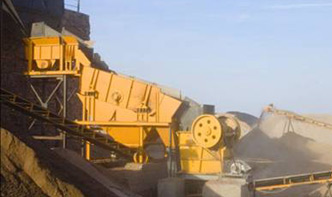
1. Vibration Damping: Coil springs isolate vibrations from the feeder to the chassis, preventing resonance that could damage bearings or motors.
2. Load Support: They distribute dynamic loads evenly, ensuring smooth material flow even under uneven feed conditions.
3. Durability: High-carbon steel or alloy springs resist fatigue, critical for 24/7 operations in harsh environments (e.g., quarries or mining sites).
1. How often should coil springs be replaced?
– Inspect annually; replacement depends on usage intensity but typically ranges from 2–5 years.
2. Can springs be customized for specific feeders?
– Yes, parameters like wire diameter, pitch, and free length can be tailored to load requirements.
3. What are signs of spring failure?
– Excessive noise, uneven feeder movement, or visible cracks indicate wear.
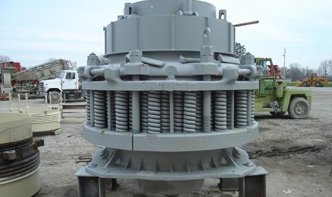
A granite quarry in Texas reported frequent feeder misalignment due to spring fatigue. Upgrading to heavy-duty coil springs with a 20% higher load capacity reduced downtime by 30% and extended the crusher’s service life by two years.
Coil springs are unsung heroes in aggregate processing, balancing performance and durability. Investing in high-quality springs tailored to operational demands ensures smoother workflows and lower maintenance costs—key to profitability in the competitive construction materials sector.
(Note: For optimal performance, consult manufacturers for spring specifications matching your feeder model.)

