The Disadvantages of Quartz Mining and Its Impact on the Aggregates Industry
Quartz mining plays a critical role in producing raw materials for construction, glass manufacturing, and electronics. However, it also presents significant challenges, particularly in the context of crushing and sand-making equipment, as well as the broader aggregates industry.
Quartz is a hard, abrasive mineral, making its extraction and processing energy-intensive. The mining process often involves blasting, crushing, and grinding, which require heavy-duty machinery. While quartz is essential for high-purity silica applications, its hardness accelerates wear and tear on crushers, screens, and sand-making machines, leading to higher maintenance costs.
1. Equipment Wear & High Maintenance Costs
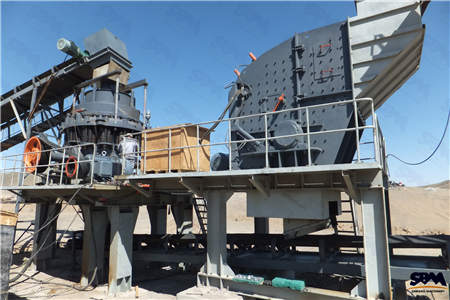
– Quartz’s high abrasiveness causes rapid deterioration of crusher liners, hammers, and rotor blades in vertical shaft impactors (VSIs).
– Frequent part replacements increase downtime and operational expenses.
2. Dust Control & Worker Safety
– Crushing quartz generates fine silica dust, a health hazard linked to silicosis. Strict dust suppression systems (e.g., wet processing or bag filters) are mandatory but add complexity to operations.
3. Energy Consumption
– Harder ores like quartz demand more power for size reduction, raising electricity costs compared to softer aggregates like limestone.
4. Environmental Concerns
– Open-pit quartz mining disrupts ecosystems and requires land rehabilitation. Water usage in washing plants can also strain local resources.
Q: Can quartz be crushed without excessive wear?
A: Yes, but only with specialized wear-resistant machinery and regular maintenance schedules.
Q: Is quartz sand suitable for concrete production?
A: Yes, but it must meet gradation standards; excessive fines may weaken concrete strength.
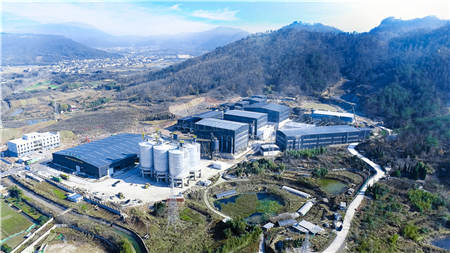
A quarry in Brazil switched from conventional cone crushers to multi-cylinder hydraulic cone crushers for quartz processing, reducing downtime by 30% due to improved wear resistance and automated adjustment systems.
While quartz mining is indispensable for industrial applications, its disadvantages—high equipment wear, safety risks, and environmental impact—necessitate advanced processing technologies and sustainable practices in the aggregates sector. Investing in robust machinery and dust mitigation systems ensures long-term viability while minimizing operational drawbacks.

