Rock Crushing and Aggregate Production in Central Texas: A Comprehensive Overview
Industry Background
Central Texas is a hub for construction and infrastructure development, driving high demand for crushed rock, gravel, and sand. The region’s geology, featuring limestone, granite, and basalt, provides abundant raw materials for aggregate production. With growing urbanization and road projects, efficient rock crushing equipment is critical to meet quality and volume requirements.
Core Equipment for Rock Crushing
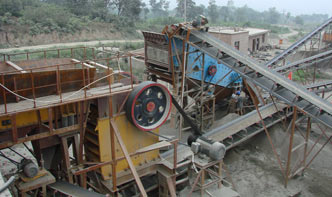
Modern crushing plants rely on advanced machinery to process raw stone into usable aggregates. Key equipment includes:
Key Considerations for Central Texas Operations
1. Material Hardness: Limestone dominates the region, requiring less energy to crush than granite but demanding wear-resistant liners.
2. Dust Control: Dry climates necessitate water sprays or dust suppression systems to meet environmental regulations.
3. Throughput Efficiency: High-capacity plants (200–500 TPH) are preferred for large-scale projects like highway construction.
Common FAQs
1. What’s the optimal crusher for limestone?
Impact crushers or cone crushers with adjustable settings work best for balanced production and shape.
2. How to minimize downtime?
Regular maintenance (e.g., lubrication, wear-part inspection) and real-time monitoring systems prevent unexpected failures.
3. Are mobile crushers cost-effective?
Yes, for short-term projects or sites with limited space; they reduce hauling expenses but may have higher operating costs per ton.
Engineering Case Study: I-35 Expansion Project
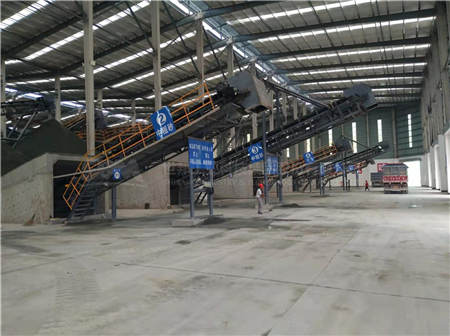
A Central Texas contractor deployed a 300-TPH mobile crushing plant to process limestone for road base material. By using a jaw-impact crusher combo and onboard screening, they achieved:
Conclusion
Central Texas’s aggregate industry thrives on tailored crushing solutions that balance productivity, cost, and environmental compliance. Investing in the right equipment—whether fixed or mobile—ensures long-term competitiveness in this dynamic market.

