The Role of Modern Mining Equipment in Aggregate Production: Safety and Efficiency Beyond Asbestos Concerns
The sand and gravel aggregate industry is a cornerstone of global infrastructure development, supplying materials for concrete, asphalt, and road bases. Modern crushing and screening equipment has evolved to prioritize efficiency, environmental compliance, and worker safety—far surpassing outdated technologies associated with hazards like asbestos insulation.
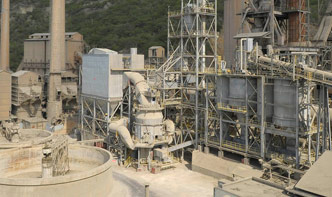
Aggregate production relies on robust machinery such as jaw crushers, cone crushers, impact crushers, and vertical shaft impactors (VSIs) to transform raw rock into graded sand and stone. With urbanization driving demand, manufacturers now focus on high-capacity, low-wear designs that minimize downtime and energy consumption. Notably, asbestos—once used in insulation for older machinery—has been phased out due to health risks, replaced by safer materials like ceramic fiber or silica-free alternatives.
1. Jaw Crushers: Ideal for primary crushing, featuring hydraulic adjustment for precise output control.
2. Cone Crushers: Secondary/tertiary crushing with advanced chamber designs for finer aggregates.
3. VSI Crushers: Produce cubical sand ideal for concrete, reducing the need for natural river sand.
4. Mobile Plants: Track-mounted units offer flexibility for remote sites, integrating crushing and screening.
Key advancements include automated lubrication systems, dust suppression technologies (e.g., water sprays or enclosed conveyors), and IoT-enabled monitoring to predict maintenance needs.
Q: How do modern plants address dust control?
A: Enclosed screens, baghouse filters, and misting systems comply with OSHA/EPA standards.
Q: Are asbestos components still a risk in used equipment?
A: Post-1980s machinery typically avoids asbestos; refurbished units should be inspected by certified technicians.
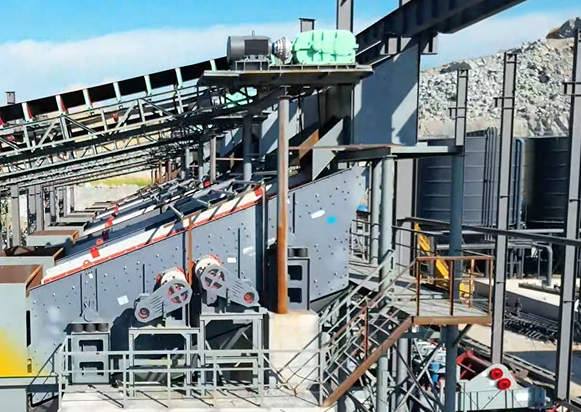
Q: What’s the typical output range for a VSI crusher?
A: 50–500 tons/hour, depending on feed material and rotor configuration.
A granite quarry replaced its 1980s-era crushers with a VSI-based system, increasing sand yield by 30% while reducing dust emissions via enclosed conveyors. The project achieved ROI in 18 months through reduced maintenance and higher-quality ASTM-certified aggregates.
Today’s aggregate equipment prioritizes productivity without compromising safety or sustainability. By adopting modern designs, producers eliminate legacy risks like asbestos while meeting stringent environmental regulations—ensuring long-term viability in a competitive market.

