The Layout of a Well-Planned Stone Quarry: Key Considerations for Aggregate Production
The stone quarrying and aggregate production industry is a cornerstone of modern construction, providing essential materials for infrastructure, concrete, and road building. A well-planned quarry layout ensures efficient extraction, crushing, and processing of raw stone into high-quality aggregates. Below, we explore the critical components of a quarry layout and their role in optimizing production.
Aggregates are the second most consumed natural resource after water, with global demand driven by urbanization and infrastructure development. A well-designed quarry maximizes resource utilization while minimizing environmental impact. Key stages include site selection, drilling, blasting, crushing, screening, and material handling.
Modern quarries rely on robust machinery:
Q: How is dust controlled in quarries?
A: Water sprays, dust suppression systems, and enclosed conveyors minimize airborne particles.
Q: What determines the lifespan of a quarry?
A: Reserves estimation, market demand, and sustainable extraction practices dictate operational longevity.
Q: Can recycled materials be integrated?
A: Yes, crushed concrete or asphalt can supplement natural aggregates in some applications.
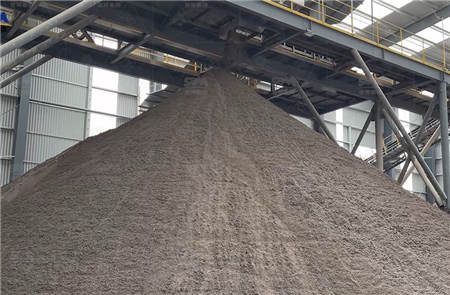
A granite quarry in Texas optimized its layout by relocating the primary crusher closer to the extraction zone, reducing haulage distances by 30%. This change lowered fuel costs and increased hourly output by 15%.
A well-planned quarry layout balances efficiency, safety, and environmental responsibility. Advances in crushing technology and automation continue to revolutionize aggregate production, ensuring consistent quality while reducing operational costs. Proper design from the outset is critical to long-term profitability and sustainability in this vital industry.

