The Evolution of Home-Built Jaw Rock Crushers in the Aggregate Industry
The aggregate and sand production industry has seen a surge in demand for cost-effective crushing solutions, particularly among small-scale operators and DIY enthusiasts. Home-built jaw rock crushers have emerged as a practical alternative to commercial units, offering flexibility and affordability for processing hard rock, gravel, and recycled concrete.
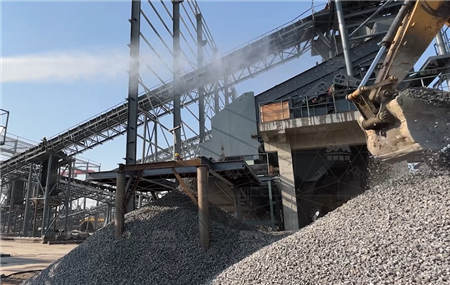
With urbanization and infrastructure development driving the need for construction materials, jaw crushers remain a cornerstone of primary crushing. While commercial models dominate large-scale operations, hobbyists and small contractors often opt for custom-built designs to reduce capital expenditure. These DIY crushers leverage basic mechanical principles but require careful engineering to ensure durability and efficiency.
A functional home-built jaw crusher typically includes:
Diagrams often illustrate a simple reciprocating motion, where the movable jaw crushes material against the fixed jaw. Key considerations include proper alignment, bearing selection, and safety features like emergency stops.
1. Can a home-built crusher match commercial performance?
While output capacity may be lower, well-designed units can process 1–5 tons/hour for small projects.
2. What materials are suitable?
Ideal for hard rock (granite, basalt) but less effective for sticky or high-clay feeds.
3. How to minimize wear?
Regular lubrication and using replaceable liners extend service life.
A quarry operator in Texas fabricated a portable jaw crusher using salvaged components (e.g., truck axles for the eccentric shaft). The unit achieved 80% efficiency compared to entry-level commercial models at 30% of the cost, processing 3 tons/hour of limestone for road base material.
Home-built jaw crushers fill a niche in decentralized aggregate production, balancing simplicity and functionality. While they lack the refinement of industrial equipment, innovative designs continue to democratize access to crushing technology—empowering small businesses and reducing reliance on expensive machinery. Future advancements may integrate modular components for easier maintenance and scalability.

