Porphyry Copper Beneficiation Plants: Crushing and Grinding Solutions for the Mining Industry
The mining industry relies heavily on efficient beneficiation plants to extract valuable metals like copper from low-grade ores. Porphyry copper deposits, which account for nearly 60% of global copper production, require robust crushing and grinding equipment to liberate minerals effectively. This article explores the role of crushing and sand-making machinery in porphyry copper processing, highlighting key technologies and industry trends.
Porphyry copper ores are typically low-grade (0.2–1% Cu) but vast in volume, making cost-effective processing critical. The beneficiation process involves crushing, grinding, flotation, and concentration. Crushing systems must handle hard, abrasive ore while minimizing energy consumption—a challenge that drives innovation in equipment design.
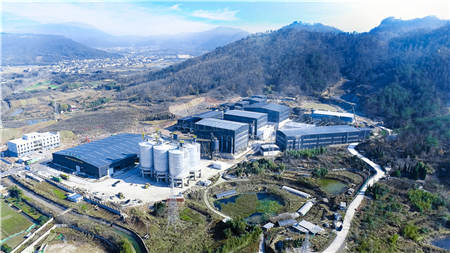
1. Primary Crushing: Jaw crushers or gyratory crushers reduce large ore blocks (up to 1.5m) to smaller fragments (~200mm). High-capacity models with wear-resistant liners are preferred for abrasive porphyry ore.
2. Secondary/Tertiary Crushing: Cone crushers further reduce ore to ~10–20mm, preparing it for grinding. Hydraulic adjustment systems optimize particle size distribution.
3. Grinding Mills: Ball mills and SAG mills (Semi-Autogenous Grinding) pulverize ore into fine particles (<100µm) for flotation. Advanced mills incorporate variable-speed drives to improve efficiency.
4. Sand-Making Equipment: For tailings reprocessing or aggregate production, vertical shaft impactors (VSIs) convert waste into usable sand, supporting sustainable operations.
Q: What’s the optimal crusher for porphyry copper?
A: Gyratory crushers suit high-tonnage primary crushing, while cone crushers excel in secondary stages due to precise particle control.
Q: How to mitigate dust in crushing plants?
A: Enclosed conveyors, baghouse filters, and wet suppression systems are effective dust-control measures.
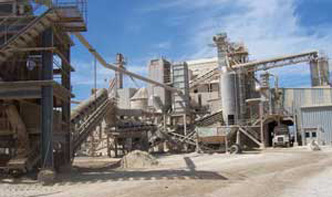
A Chilean mine upgraded its porphyry copper plant with a three-stage crushing circuit (jaw + 2 cone crushers) and a SAG mill, achieving a 15% boost in throughput while cutting energy costs by 18%. Tailings were repurposed into construction sand using a VSI crusher, demonstrating circular economy benefits.
Modern porphyry copper beneficiation hinges on advanced crushing and grinding technologies that balance efficiency, durability, and sustainability. As ore grades decline, innovations like HPGR and dry processing will shape the future of mineral extraction—ensuring profitability while reducing environmental impact.

