The Growing Demand for Concrete Pulverizers in the Aggregate Industry
The global construction and infrastructure sectors are witnessing unprecedented growth, driving the demand for high-quality sand and gravel aggregates. As natural resources deplete, recycled materials—particularly crushed concrete—have become a sustainable alternative. This shift has elevated the importance of concrete pulverizers, specialized equipment designed to break down demolished concrete into reusable aggregates efficiently.
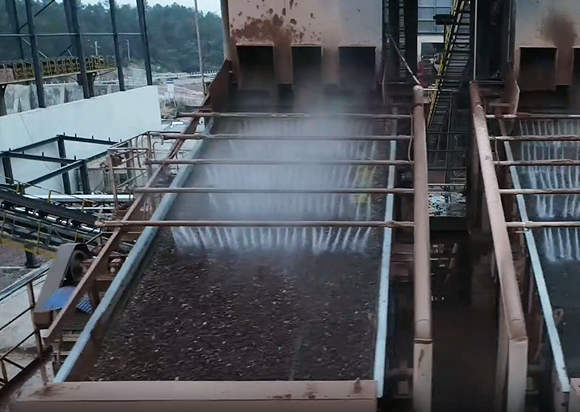
The aggregate industry is a cornerstone of modern construction, supplying materials for roads, bridges, and buildings. With stricter environmental regulations and a focus on circular economies, recycling concrete waste has gained traction. Concrete pulverizers play a pivotal role by transforming demolition debris into valuable secondary raw materials, reducing landfill dependency and extraction costs.
Modern pulverizers are engineered for durability and performance:
Leading manufacturers prioritize energy efficiency and low maintenance, ensuring cost-effective operations even in high-volume projects.
1. What’s the output size range?
Most pulverizers produce 0–50mm aggregates, suitable for backfill or new concrete mixes.
2. Can they handle rebar?
Yes—high-torque models separate steel reinforcement during crushing.
3. How do they compare to crushers?
Pulverizers excel at on-site recycling with lower transportation costs, while crushers are ideal for stationary plants.
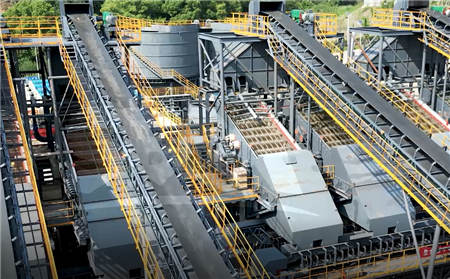
A contractor in Germany utilized an excavator-mounted pulverizer to process 10,000 tons of demolition waste from a high-rise site. The recycled aggregates were reused in road sub-base layers, cutting material costs by 30% and reducing CO₂ emissions by 200 tons compared to aggregate sourcing.
Concrete pulverizers are indispensable in sustainable construction, bridging demolition and material reuse seamlessly. As technology advances, their efficiency and environmental benefits will further solidify their role in the aggregate industry’s future.
(Note: For specific equipment recommendations or technical specifications, consult manufacturers like , CE, or .)

