The Role of Small Portable Rock Pulverizers in the Aggregate Industry
The aggregate industry plays a critical role in construction, infrastructure, and mining sectors by supplying essential materials like sand, gravel, and crushed stone. As demand for efficient and sustainable solutions grows, small portable rock pulverizers have emerged as versatile tools for on-site processing. These compact machines are designed to break down rocks into smaller, usable fragments, making them ideal for remote job sites or projects with limited space.
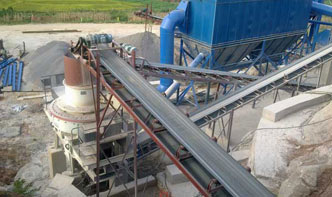
1. Mobility & Flexibility: Unlike stationary crushers, portable pulverizers can be easily transported to different locations, reducing material hauling costs.
2. Compact Design: Their small footprint allows operation in confined spaces while maintaining high productivity.
3. Fuel Efficiency: Many models use diesel or electric power with optimized energy consumption.
4. Versatility: Capable of processing various rock types (granite, limestone, basalt) for applications like road base or concrete aggregates.
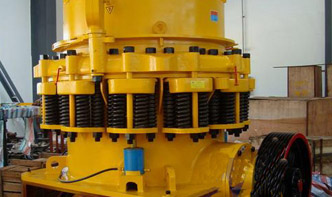
Q: What’s the average output capacity of a small portable pulverizer?
A: Typically 1–10 tons per hour, depending on rock hardness and machine specifications.
Q: Can it handle wet or sticky materials?
A: Some models include anti-clogging features, but pre-screening is recommended for optimal performance.
Q: How does maintenance compare to larger crushers?
A: Portable units often have simpler designs with fewer wear parts, lowering long-term upkeep costs.
Small portable rock pulverizers offer a cost-effective solution for contractors and miners seeking agility without sacing performance. As technology advances, these machines will continue to bridge the gap between large-scale crushing plants and manual labor, driving efficiency across the aggregate sector.

