The Aggregates Industry and Crushing Equipment: A Comprehensive Overview
The aggregates industry is a cornerstone of modern infrastructure, providing essential materials like sand, gravel, and crushed stone for construction, roads, and concrete production. With urbanization and infrastructure development accelerating globally, the demand for high-quality aggregates has surged, driving innovations in crushing and sand-making equipment.
At the heart of any aggregate plant are robust crushing and screening machines designed to process raw materials efficiently. Key equipment includes:
Modern equipment emphasizes automation, energy efficiency, and minimal environmental impact—critical factors in today’s regulated markets.
1. What is the difference between natural and manufactured sand?
Natural sand is sourced from riverbeds or quarries, while manufactured sand is produced by crushing rocks. Manufactured sand often offers better consistency and gradation control.
2. How to reduce dust in crushing plants?
Dust suppression systems, water sprays, and enclosed conveyors are effective solutions to mitigate airborne particles.
3. What determines the quality of aggregates?
Key factors include particle shape, gradation, cleanliness (clay or silt content), and compressive strength.
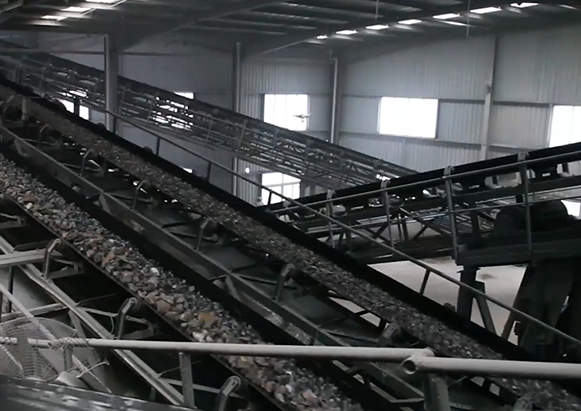
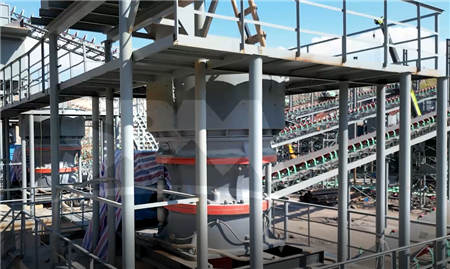
A limestone quarry in Texas upgraded its crushing circuit by replacing an outdated jaw crusher with a high-capacity cone crusher paired with a VSI for sand production. The results included:
Sustainability is shaping the industry’s future—recycled concrete aggregates (RCA) and electric-powered mobile crushers are gaining traction to reduce carbon footprints. Meanwhile, digital tools like IoT-enabled monitoring systems help optimize production in real time.
In conclusion, the aggregates industry relies on advanced crushing technology to meet growing demands while balancing efficiency and environmental responsibility. Investing in the right equipment ensures long-term profitability and compliance with evolving regulations.

