The Role of Vertical Mills in the Aggregates and Sand Production Industry
The aggregates and sand production industry is a cornerstone of modern construction, providing essential materials for infrastructure, concrete, and asphalt. Among the key equipment in this sector, vertical mills—particularly the used X3 vertical mill—play a critical role in grinding and processing raw materials like limestone, granite, and basalt into fine aggregates or manufactured sand.
With urbanization and infrastructure projects accelerating globally, demand for high-quality sand and aggregates has surged. Natural sand shortages and environmental regulations have driven the adoption of manufactured sand (M-Sand) produced by crushing and grinding rocks. Vertical mills, such as the X3 series, offer an efficient solution by combining crushing, grinding, and classification in a single unit, reducing energy consumption compared to traditional ball mills.
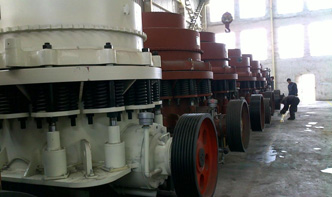
1. High Efficiency: Optimized grinding rollers and table design ensure higher throughput with lower power consumption.
2. Compact Footprint: Vertical mills require less space than horizontal alternatives, ideal for constrained sites.
3. Adjustable Fineness: By adjusting grinding pressure and airflow, operators can produce sand with precise gradation (0-5mm).
4. Low Wear: Advanced wear-resistant materials extend service life, reducing maintenance costs.
The price of a used X3 vertical mill varies based on:
Q: How does a vertical mill compare to a cone crusher for sand production?
A: Vertical mills excel in producing finely graded M-Sand with better particle shape, while cone crushers are better for coarse aggregates.
Q: What maintenance is required for a used X3 mill?
A: Regular inspection of rollers, liners, and lubrication systems is critical to avoid downtime.
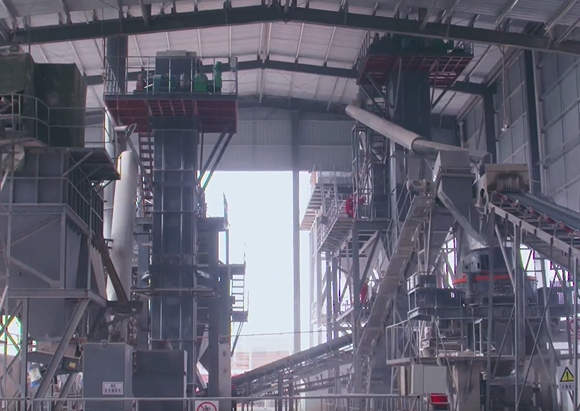
A quarry in Vietnam replaced its traditional jaw-cone setup with a used X3 vertical mill, achieving:
Investing in a used X3 vertical mill can be a cost-effective solution for sand and aggregate producers aiming to enhance efficiency while meeting sustainability goals. Buyers should prioritize equipment history and after-sales support to maximize value.

